📊 山西美食概览📊 Shanxi Cuisine Overview📊 산시 미식 개요
山西是中华面食的发源地之一,素有"面食王国"之称。全省面食品种多达280余种,制作手法涵盖擀、拉、削、拨、剔、压、搓、揪、切、抿等数十种技艺。除了面食,山西的醋文化、酒文化和各地特色小吃同样令人回味无穷。Shanxi is one of the birthplaces of Chinese noodle culture, known as the "Noodle Kingdom." The province boasts over 280 noodle varieties using dozens of techniques — rolling, pulling, shaving, flicking, picking, pressing, twisting, pinching, cutting, and more. Beyond noodles, Shanxi's vinegar culture, spirits, and local snacks are equally unforgettable.산시는 중국 면 문화의 발상지 중 하나로 '면식의 왕국'이라 불립니다. 성 전체에 280여 종의 면 요리가 있으며, 밀기·당기기·깎기·튕기기·집기·누르기·비틀기·뜯기·썰기 등 수십 가지 기법이 사용됩니다. 면 외에도 산시의 식초 문화, 주류, 그리고 각지의 전통 간식도 잊을 수 없는 맛입니다.
🍜 面食天下🍜 Noodle Kingdom🍜 면식의 세계
一面百做,百面百味One dough, a hundred methods — a hundred flavors하나의 반죽, 백 가지 방법 — 백 가지 맛
刀削面Knife-Cut Noodles (Dao Xiao Mian)도삭면 (刀削面)
🍜 山西面食之王🍜 King of Shanxi Noodles🍜 산시 면식의 왕 🏅 国家级非遗🏅 National Intangible Heritage🏅 국가급 무형문화유산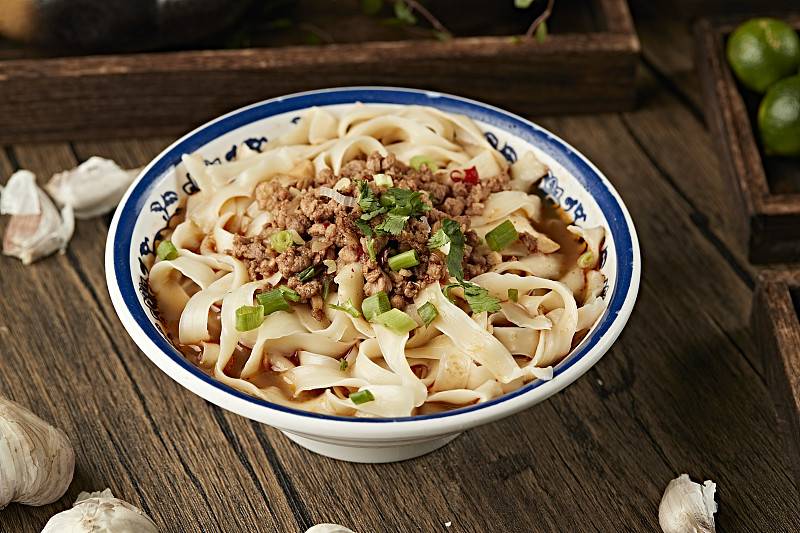
一块面团、一把弯刀,削出的面片中厚边薄,形似柳叶,入锅如银鱼戏水。外滑内筋,软而不粘,浇上卤汁,配一勺山西老醋,这就是山西的灵魂主食。相传起源于元代,蒙古统治者禁止汉人持有铁器,百姓用铁片削面,意外创造了这道千古名吃。A block of dough, a curved blade — each slice flies into the boiling pot like silver fish leaping through water. Thick in the middle, thin at the edges, shaped like willow leaves. Smooth on the outside, chewy within — topped with rich braised sauce and a splash of aged vinegar. Legend says it was born in the Yuan Dynasty when Mongol rulers banned iron tools, and resourceful locals carved noodles with scrap iron — accidentally creating this culinary masterpiece.반죽 덩어리 하나, 굽은 칼 하나 — 깎아낸 면이 끓는 솥으로 은어처럼 날아듭니다. 가운데는 두껍고 가장자리는 얇아 버들잎 모양입니다. 겉은 매끈하고 속은 쫄깃하며, 진한 양념장과 숙성 식초를 끼얹어 먹습니다. 원나라 때 몽골 통치자가 한족의 철기 소유를 금지하자 백성들이 철조각으로 면을 깎아 우연히 이 천년 명식을 탄생시켰다는 전설이 있습니다.
- 技艺要诀:一叶落锅一叶飘,一叶离面又出刀The art: one slice falls as another flies, one leaves the dough as the blade strikes again기예의 요결: 하나가 솥에 떨어지면 하나가 날아오르고, 하나가 반죽을 떠나면 칼이 다시 움직인다
- 高手每分钟削200刀以上,面片均匀如一Masters cut 200+ slices per minute, each one uniform고수는 분당 200개 이상을 깎으며 면발이 균일합니다
- 大同刀削面尤以浇头丰富著称:肉卤、番茄、酸菜、三鲜Datong style is famous for rich toppings: meat sauce, tomato, pickled cabbage, seafood다퉁식은 풍부한 토핑으로 유명합니다: 고기소스, 토마토, 절임배추, 해물
剔尖(拨鱼儿)Tijian Noodles (Flicked Fish)티젠면 (剔尖)
🍜 家常第一面🍜 Everyday Favorite🍜 가정식 면의 대표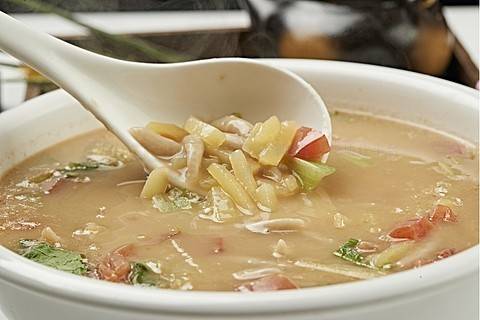
用筷子沿盘边剔出的面条,两头尖中间圆,形如小鱼,故又名"拨鱼儿"。剔尖是山西家庭最常做的面食之一,不需要任何特殊工具,一双筷子一个盘,软面一拨即成。口感滑嫩,比刀削面更柔,适合各种浇头。Flicked from the edge of a plate with chopsticks, these noodles are pointed at both ends and plump in the middle — like little fish, hence the nickname "flicked fish." It's the most common homemade noodle in Shanxi: no special tools needed, just chopsticks and a plate. Silky smooth and softer than knife-cut noodles, perfect with any topping.젓가락으로 접시 가장자리에서 튕겨내는 면으로, 양끝이 뾰족하고 가운데가 통통해 마치 작은 물고기 같아 '퉈위얼'이라는 별명이 있습니다. 산시 가정에서 가장 흔히 만드는 면으로, 특별한 도구 없이 젓가락과 접시만 있으면 됩니다. 도삭면보다 부드럽고 매끈하며, 어떤 양념에도 잘 어울립니다.
- 做法简单,是山西主妇的看家本领Simple technique — every Shanxi home cook's signature skill간단한 기법 — 산시 가정 요리사의 대표 기술
- 面要调得软,筷子要拨得快,讲究"一根不断"The dough must be soft, the chopsticks quick — each strand unbroken반죽은 부드럽게, 젓가락은 빠르게 — 하나하나 끊김 없이
- 太原街头最常见的面食之一One of the most common noodles on Taiyuan's streets타이위안 거리에서 가장 흔히 볼 수 있는 면 중 하나
莜面栲栳栳Oat Noodle Rolls (Youmian Kaolaoao)유면커라오라오 (莜面栲栳栳)
🍜 晋北特色🍜 Northern Shanxi Specialty🍜 산시 북부 특산 🏅 省级非遗🏅 Provincial Heritage🏅 성급 무형문화유산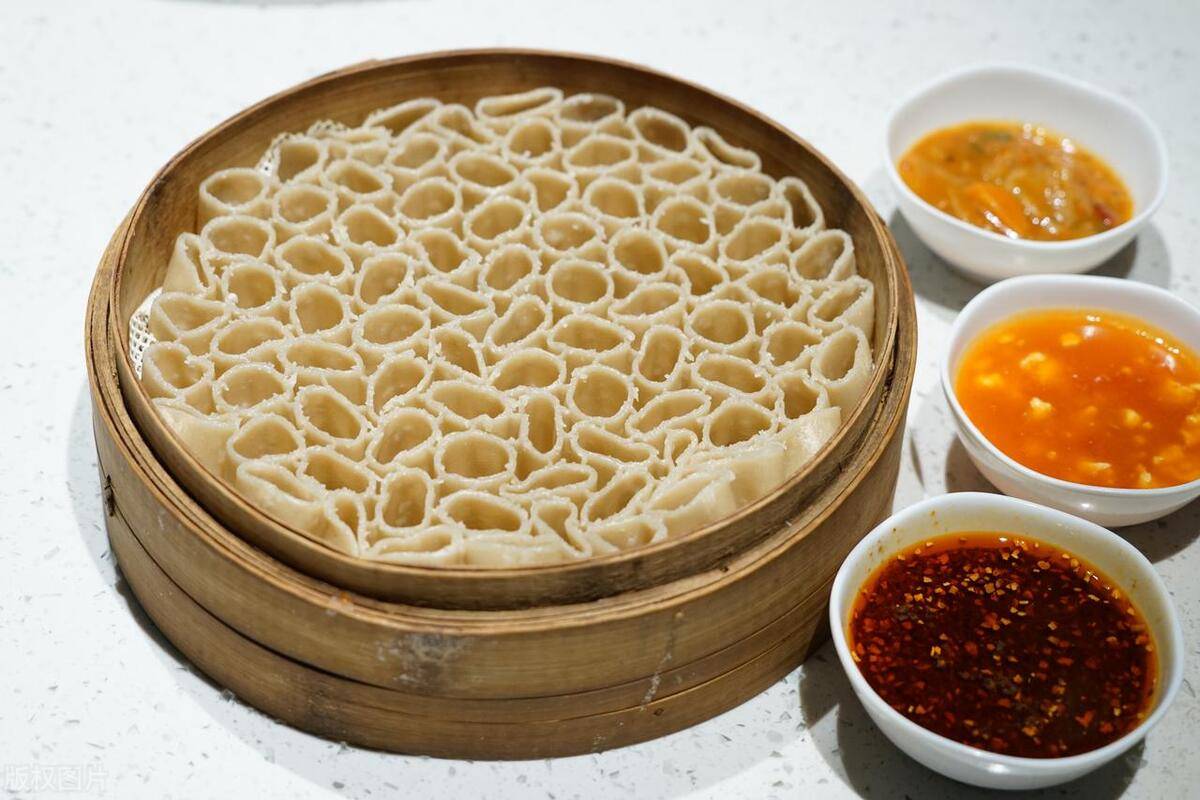
莜麦是晋北高寒地区的主粮,莜面栲栳栳是其最经典的吃法。将莜面在手掌上搓成薄片卷成筒状,密密排列在蒸笼里如蜂窝般壮观,蒸熟后蘸料食用。口感筋道,营养丰富,是真正的"粗粮细作"。Oats are the staple grain of northern Shanxi's cold highlands. Kaolaoao is the most iconic way to eat them: thin oat dough is rolled on the palm into tubes, arranged in a steamer like honeycomb, then dipped in sauce. Chewy and nutritious — the art of making simple grains extraordinary.귀리는 산시 북부 고한지대의 주곡입니다. 커라오라오는 가장 대표적인 조리법으로, 얇은 귀리 반죽을 손바닥 위에서 말아 관 모양으로 만들어 찜통에 벌집처럼 세워 찐 뒤 소스에 찍어 먹습니다. 쫄깃하고 영양 만점 — 거친 곡물을 예술로 승화시킨 요리입니다.
- 搓片、卷筒、立排,全靠手上功夫Rolling, curling, arranging upright — all by hand밀고, 말고, 세우고 — 모두 손으로
- 蘸料是灵魂:羊肉臊子、番茄酱、酸菜汤The dipping sauce is everything: lamb sauce, tomato, or pickled cabbage broth소스가 핵심: 양고기 소스, 토마토, 또는 절임배추 국물
- 莜面凉性,夏天吃尤佳Oats are "cooling" — especially refreshing in summer귀리는 '차가운' 성질 — 여름에 특히 시원하게 즐깁니다
猫耳朵Cat Ear Noodles (Mao Er Duo)고양이귀 면 (猫耳朵)
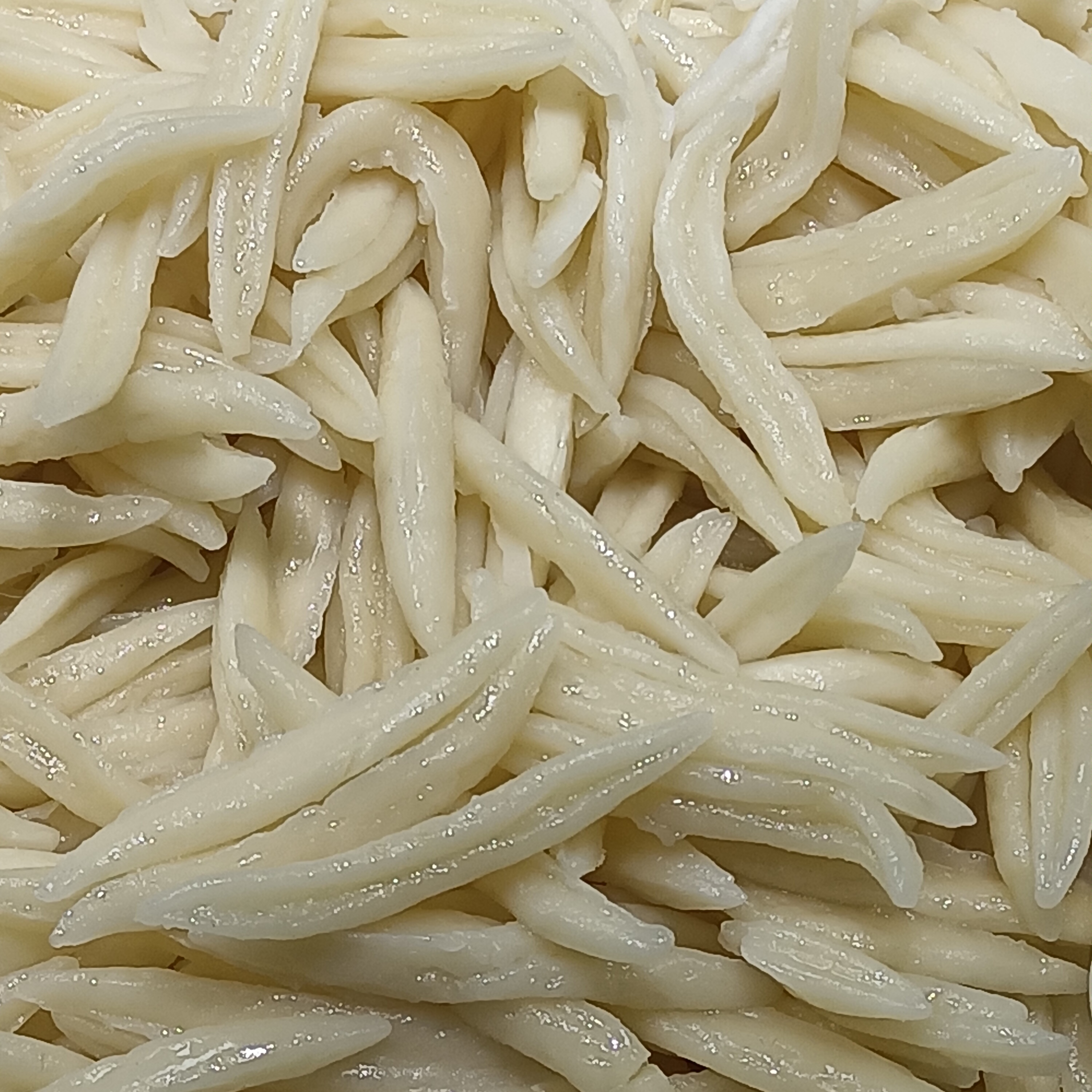
用拇指在面团上一搓一卷,搓出的面片形似猫耳,小巧玲珑。既可炒食(干拌),也可做汤面,是山西人从小吃到大的家常面食。炒猫耳朵配上豆芽、肉丁、鸡蛋,就是一碗色香味俱全的快手饭。Press and roll a small piece of dough with your thumb — out pops a shell-shaped piece that looks just like a cat's ear. Stir-fried or served in soup, it's a Shanxi comfort food from childhood. Stir-fried cat ears with bean sprouts, diced meat, and egg make a quick, colorful meal.엄지로 반죽을 눌러 말면 고양이 귀처럼 생긴 조개 모양이 됩니다. 볶거나 국물에 넣어 먹으며, 어린 시절부터 친숙한 산시의 편안한 음식입니다. 숙주나물, 고기 다짐, 달걀과 함께 볶으면 색·향·미가 갖춰진 간편식이 됩니다.
- 意大利贝壳面的"中国远亲"The Chinese "distant cousin" of Italian orecchiette이탈리아 오레키에테의 '중국 먼 친척'
- 一家人围坐搓猫耳朵,是山西家庭的温馨画面Family gathered around making cat ears — a warm Shanxi family scene온 가족이 둘러앉아 고양이귀 면을 빚는 따뜻한 산시의 가정 풍경
- 适合小朋友参与制作,好玩又好吃Great for kids to help make — fun and delicious아이들도 함께 만들기 좋아요 — 재미있고 맛있습니다
手擀面Hand-Rolled Noodles (Shou Gan Mian)수타면 (手擀面)
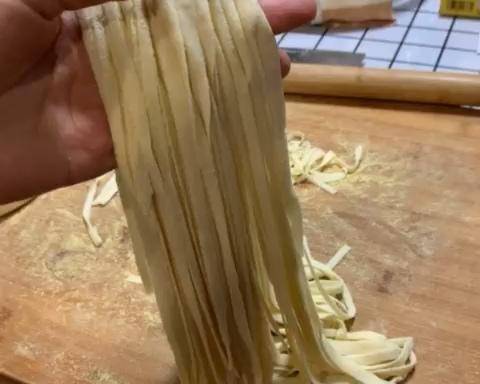
一根擀面杖,一块大案板,把面团擀成薄如纸的大面片,折叠后切成宽窄不一的面条。手擀面没有花哨技巧,拼的是力气和耐心。面条宽厚劲道,麦香浓郁,浇上西红柿鸡蛋卤或炸酱,就是山西人心中永远的家的味道。A rolling pin, a big cutting board — roll the dough paper-thin, fold it up, and slice into noodles of varying widths. No fancy tricks, just strength and patience. The thick, chewy noodles are full of wheat fragrance. Topped with tomato-egg sauce or fried bean paste — this is the taste of home for every Shanxi person.밀대 하나, 큰 도마 하나 — 반죽을 종이처럼 얇게 밀어 접은 뒤 다양한 너비로 썹니다. 화려한 기교 없이 힘과 인내만으로 만듭니다. 두껍고 쫄깃한 면발에 밀향이 가득하며, 토마토달걀 소스나 자장을 얹으면 모든 산시 사람의 마음속 고향의 맛입니다.
- 面要"三光":手光、面光、案板光The "three clean" rule: clean hands, clean dough, clean board'삼광(三光)' 원칙: 손이 깨끗하고, 반죽이 깨끗하고, 도마가 깨끗할 것
- 宽面窄面随心切,每家都有自己的风格Wide or thin — every family has their own style넓게든 가늘게든 — 집집마다 자기만의 스타일
揪片(揪疙瘩)Hand-Torn Noodles (Jiu Pian)뜯어면 (揪片)
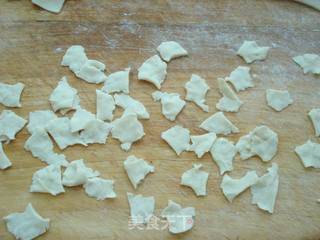
把面擀成薄片,用手直接揪成小片扔进锅里——比切面更快、比削面更随意。揪片是山西最"偷懒"的面食,但正是这种随性,让每一片大小不一的面片在锅里翻滚,有的筋道有的软糯,口感层次反而更丰富。Roll the dough thin, then tear small pieces directly into the boiling pot — faster than cutting, more casual than knife-shaving. Jiupian is Shanxi's most "lazy" noodle, but that randomness creates varied textures — some chewy, some tender — making each bite interesting.반죽을 얇게 밀어 손으로 작은 조각을 뜯어 바로 끓는 솥에 넣습니다 — 썰기보다 빠르고, 깎기보다 자유롭습니다. 산시에서 가장 '게으른' 면이지만 그 불규칙함이 다양한 식감을 만들어 — 쫄깃한 것도, 부드러운 것도 — 한 입 한 입이 흥미롭습니다.
- "懒人面食"但好吃不打折"Lazy noodle" but flavor is never compromised'게으른 면'이지만 맛은 절대 타협하지 않습니다
- 常搭配西红柿鸡蛋或羊肉汤Often paired with tomato-egg or lamb soup토마토달걀 또는 양고기탕과 자주 함께합니다
🥘 地方名吃🥘 Local Specialties🥘 지역 명물
一城一味,十一地市各有绝活Every city has its signature dish — eleven cities, eleven flavors한 도시 한 맛 — 열한 도시, 열한 가지 맛
太原头脑Tounao (Brain Soup)터우나오 (头脑)
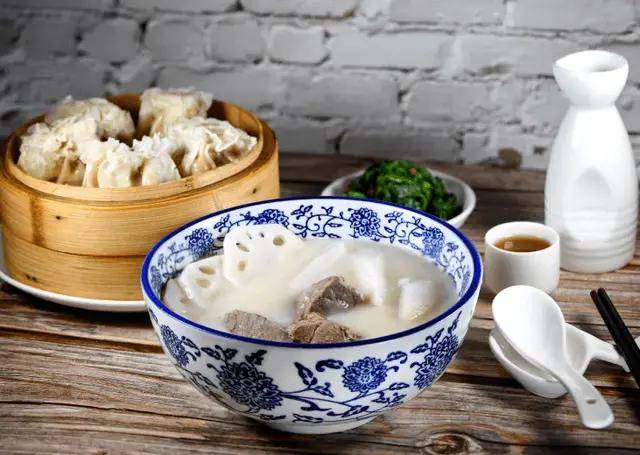
明末清初大学者傅山为母亲调养身体所创的药膳,用羊肉、山药、莲藕、黄芪等八味食材炖煮而成。清晨五六点,太原人排队喝一碗热腾腾的头脑,配烧饼和腌韭菜,是这座城市最地道的早餐仪式。名字取"头脑"之意,寓意清醒明智,也是傅山对清廷的隐晦讽刺。Created by the late Ming scholar Fu Shan as a medicinal tonic for his mother, this rich soup combines lamb, yam, lotus root, astragalus, and other healing ingredients. At 5-6 AM, Taiyuanese line up for a steaming bowl with flatbread and pickled chives — the city's most authentic breakfast ritual. The name "brain soup" was Fu Shan's subtle satire against the Qing court.명말 청초의 대학자 부산이 어머니의 건강을 위해 만든 약선 요리로, 양고기·마·연근·황기 등 여덟 가지 재료를 푹 끓입니다. 새벽 5~6시, 타이위안 사람들은 뜨거운 터우나오 한 그릇에 전병과 절임 부추를 곁들이며 줄을 섭니다 — 이 도시의 가장 정통 아침 의식입니다. '터우나오(머리)'라는 이름에는 청나라 조정에 대한 부산의 은밀한 풍자가 담겨 있습니다.
- 清晨限定:多数店铺早上5点开卖,10点前售罄Morning only: most shops open at 5 AM, sold out by 10아침 한정: 대부분 새벽 5시에 열어 10시 전에 완판
- 药食同源:黄芪补气、山药健脾、良姜暖胃Medicine meets food: astragalus for qi, yam for spleen, galangal for warmth약식동원: 황기는 기를 보하고, 마는 비장을 튼튼히, 양강은 위를 따뜻하게
- 认一力、清和元是百年老字号Ren Yi Li and Qing He Yuan are century-old brands런이리(认一力)와 칭허위안(清和元)은 백년 노포
平遥牛肉Pingyao Beef핑야오 쇠고기 (平遥牛肉)
🏅 国家地理标志🏅 National Geographic Mark🏅 국가지리표지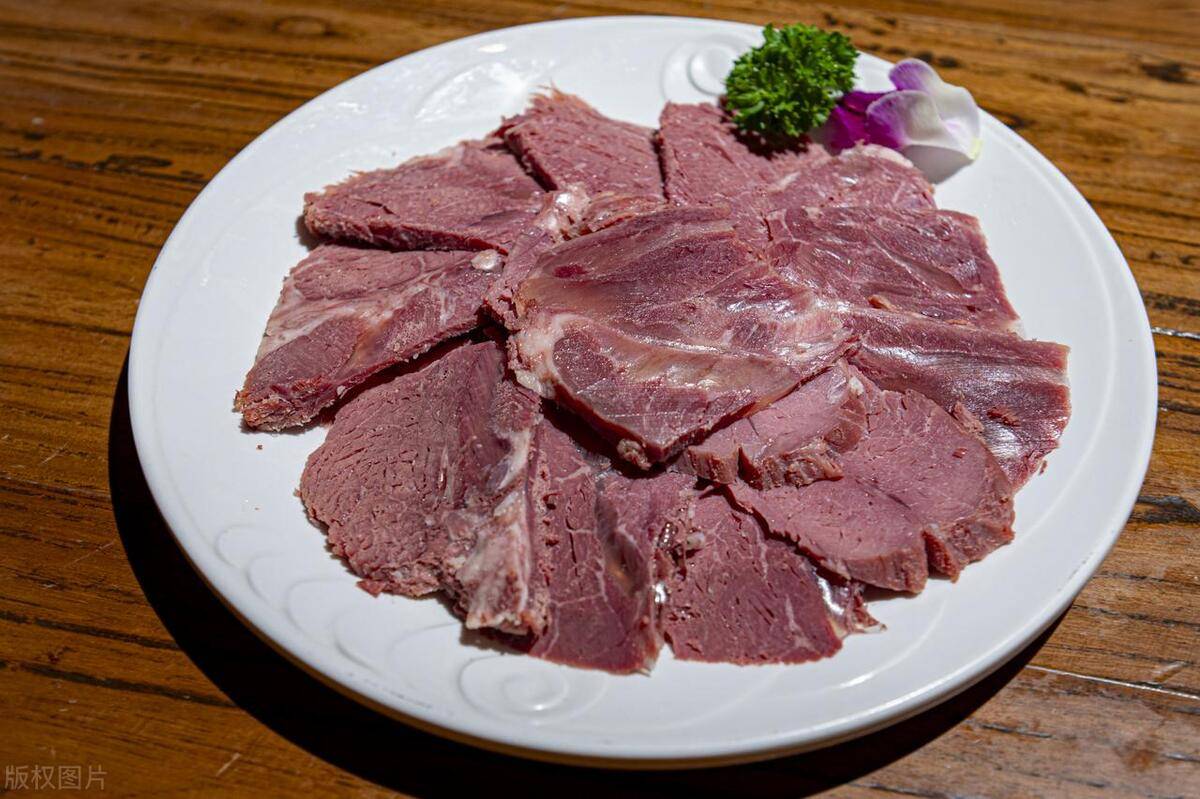
不用刀切用手撕——这是检验正宗平遥牛肉的不二法则。始于明代,腌制工艺讲究"急腌缓煮",不加任何调料,全靠盐和时间的魔法。成品色泽红润、肉质酥烂、入口即化,切开后纹理清晰,像一幅天然的大理石画。Don't cut it with a knife — tear it by hand. That's the true test of authentic Pingyao beef. Dating to the Ming Dynasty, the curing process follows "quick brine, slow cook" — no seasonings, just salt and time. The result: ruby-red, meltingly tender, with marbling patterns like natural marble art.칼로 자르지 마세요 — 손으로 찢으세요. 그것이 정통 핑야오 쇠고기를 검증하는 유일한 방법입니다. 명나라에서 시작된 절임 공정은 '급염완자(急腌缓煮)' — 양념 없이 소금과 시간의 마법만으로 만듭니다. 루비빛 색상, 입에서 녹는 부드러움, 천연 대리석 같은 결무늬가 특징입니다.
- "急腌缓煮"秘法传承四百余年"Quick brine, slow cook" — a 400-year secret'급염완자(急腌缓煮)' — 400년의 비법
- 冠云牌是最著名的老字号Guanyun brand is the most famous heritage label관윈(冠云) 브랜드가 가장 유명한 노포 상표
- 慈禧西逃途经平遥,对牛肉赞不绝口Empress Dowager Cixi praised it while fleeing through Pingyao서태후가 핑야오를 지나며 극찬했다는 일화가 전해집니다
大同黄糕Datong Yellow Cake (Huang Gao)다퉁 황고 (黄糕)
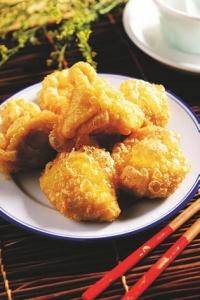
用黍米面蒸制再油炸,外酥里糯,金黄诱人。大同人说"三十里莜面四十里糕"——意思是吃了黄糕能走四十里路不饿。黄糕在大同的地位相当于米饭之于南方人,既是主食也是待客佳品,逢年过节更是餐桌上的主角。Made from broomcorn millet flour, steamed then deep-fried — crispy outside, sticky-sweet inside, golden and irresistible. Datong folk say "oat noodles fuel 30 li, yellow cake fuels 40" — meaning this energy-dense cake keeps you going longer. In Datong, yellow cake is as fundamental as rice is to southerners.기장가루를 쪄서 튀겨 만드는데, 겉은 바삭하고 속은 찰지며 황금빛이 눈길을 끕니다. 다퉁 사람들은 '유면으로 30리, 황고로 40리'라고 하며 — 에너지가 풍부해 오래 버틸 수 있다는 뜻입니다. 다퉁에서 황고는 남방인에게 쌀밥과 같은 존재입니다.
- 外酥里糯,蘸白糖或配炖肉Crispy and chewy — dip in sugar or pair with stewed meat바삭하고 찰진 식감 — 설탕에 찍거나 찜고기와 함께
- "糕"谐音"高",象征步步高升"Gao" (cake) sounds like "high" — symbolizing rising fortune'가오(糕)'는 '높다(高)'와 발음이 같아 승승장구를 상징합니다
闻喜煮饼Wenxi Boiled Cake (Zhu Bing)원시 주병 (闻喜煮饼)
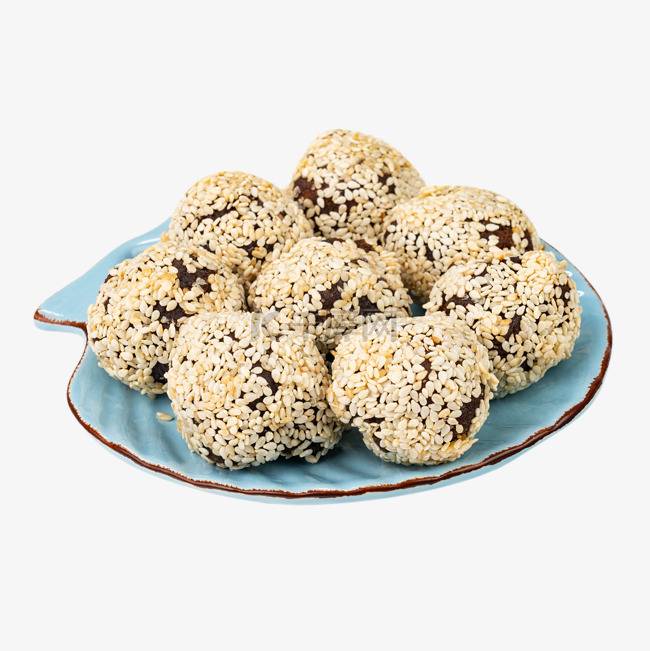
名为"饼"却不是饼,名为"煮"却不是煮——闻喜煮饼其实是一种油炸点心,外层芝麻、内裹糖浆,中间是蓬松的蛋糕状面心。咬一口,外脆内软,甜而不腻,拉丝如蜜。据传曾是清代宫廷贡品,康熙品尝后赐名。Called a "cake" but it's not baked; called "boiled" but it's not boiled — Wenxi Zhubing is actually a deep-fried pastry with sesame coating, syrup filling, and a spongy center. One bite: crispy outside, soft inside, sweet but not cloying, with honey-like strings. Said to be a Qing Dynasty imperial tribute, named by Emperor Kangxi himself.'병(饼)'이라 하지만 굽지 않고, '주(煮)'라 하지만 끓이지 않습니다 — 원시 주병은 사실 참깨를 입힌 튀김 과자로, 시럽이 들어 있고 가운데가 폭신합니다. 한 입 베어물면 겉은 바삭, 속은 부드럽고, 달콤하되 느끼하지 않으며 꿀처럼 실이 늘어납니다. 청나라 공납품으로, 강희제가 직접 이름을 지었다고 전해집니다.
- 名字之谜:为什么叫"煮饼"至今无定论Name mystery: why "boiled cake"? Still debated today이름의 수수께끼: 왜 '주병(煮饼)'인지 아직도 논쟁 중
- 山西最适合当伴手礼的传统点心The best traditional Shanxi souvenir pastry산시 최고의 전통 선물용 과자
定襄蒸肉Dingxiang Steamed Meat딩샹 찐고기 (定襄蒸肉)
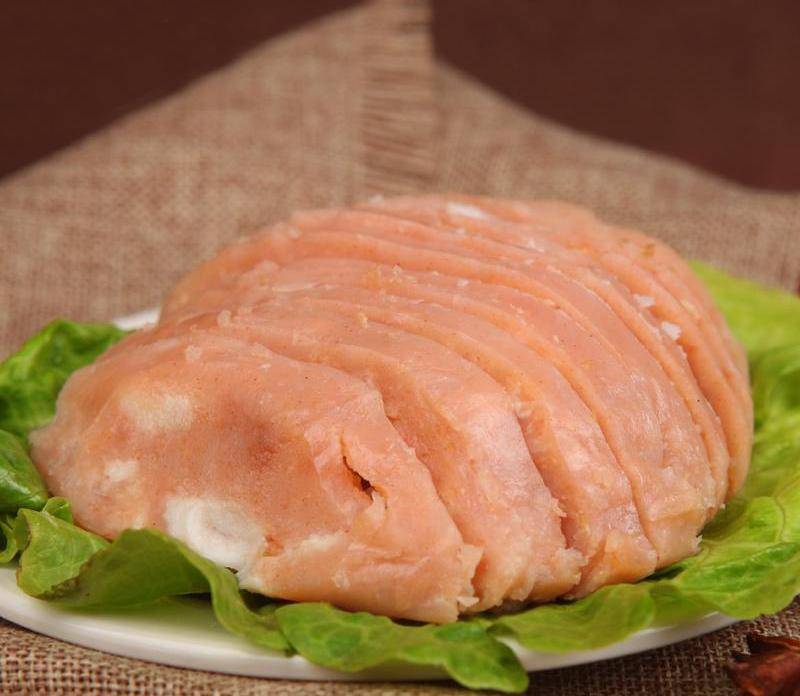
猪肉与土豆淀粉的完美结合——将猪肉糜与淀粉、葱姜混合,入笼蒸制,切片后可蒸可炸可炒。口感介于肉糕和粉蒸肉之间,弹牙Q弹,是定襄人逢年过节的必备菜,也是山西最被低估的美味之一。A perfect marriage of pork and potato starch — minced pork mixed with starch and aromatics, steamed in a mold, then sliced to be re-steamed, fried, or stir-fried. The texture falls between meatloaf and steamed pork — bouncy and satisfying. A must-have for Dingxiang festivals and one of Shanxi's most underrated dishes.돼지고기와 감자전분의 완벽한 조화 — 다진 돼지고기를 전분, 향신료와 섞어 틀에 넣고 찐 뒤 썰어서 다시 찌거나, 튀기거나, 볶아 먹습니다. 미트로프와 분증육 사이의 식감으로 탱탱하고 만족스럽습니다. 딩샹의 명절 필수 요리이며 산시에서 가장 저평가된 맛 중 하나입니다.
- 做法简单但极其下饭Simple to make but incredibly satisfying with rice만들기 간단하지만 밥과 함께 먹으면 매우 만족스럽습니다
- 冷切片蘸醋,是最佳下酒菜Cold slices with vinegar — the perfect drinking snack냉채로 식초에 찍어 먹으면 최고의 안주
过油肉Stir-fried Pork Slices (Guo You Rou)과유육 (过油肉)
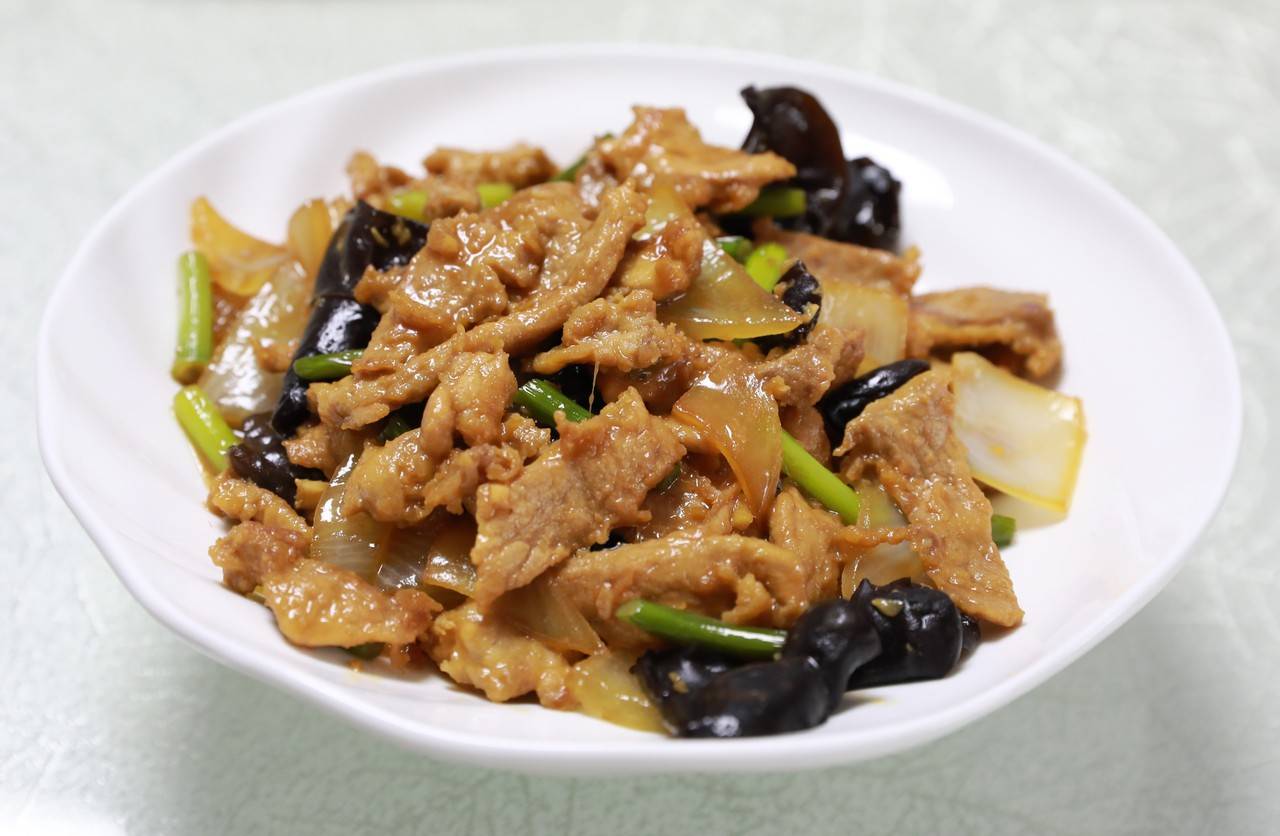
山西唯一入选"中国十大名菜"的菜品。猪里脊切薄片,挂糊过油至金黄,再与木耳、蒜薹、笋片爆炒。精髓在于"过油"二字——肉片经油炸锁住水分,外焦里嫩,配上山西老醋的酸香,这道菜完美诠释了晋菜"咸鲜酸香"的灵魂。The only Shanxi dish in "China's Top 10 Famous Dishes." Thin pork loin slices are battered and flash-fried golden, then wok-tossed with wood ear mushrooms, garlic scapes, and bamboo shoots. The magic is in the "oil pass" — frying locks in moisture for a crispy-outside, tender-inside texture. Add aged vinegar's tangy aroma, and you have the soul of Shanxi cuisine: salty, fresh, sour, and fragrant.산시 유일의 '중국 10대 명요리' 선정 요리입니다. 얇게 썬 돼지 등심에 옷을 입혀 황금빛으로 바삭하게 튀긴 뒤, 목이버섯·마늘종·죽순과 함께 웍에서 볶습니다. 핵심은 '과유(过油)' — 튀김으로 수분을 가두어 겉바속촉을 만듭니다. 여기에 숙성 식초의 새콤한 향을 더하면 산시 요리의 영혼 — 짠맛·감칠맛·신맛·향이 완성됩니다.
- 检验一家山西饭馆水平,先点过油肉To judge a Shanxi restaurant, order Guo You Rou first산시 음식점의 실력을 가늠하려면 과유육부터 주문하세요
- 醋是关键:出锅前沿锅边烹醋,香气四溢Vinegar is key: splash it along the wok edge just before serving식초가 관건: 내기 직전 웍 가장자리에 식초를 뿌려 향을 살립니다
羊杂割Lamb Offal Soup (Yang Za Ge)양잡탕 (羊杂割)
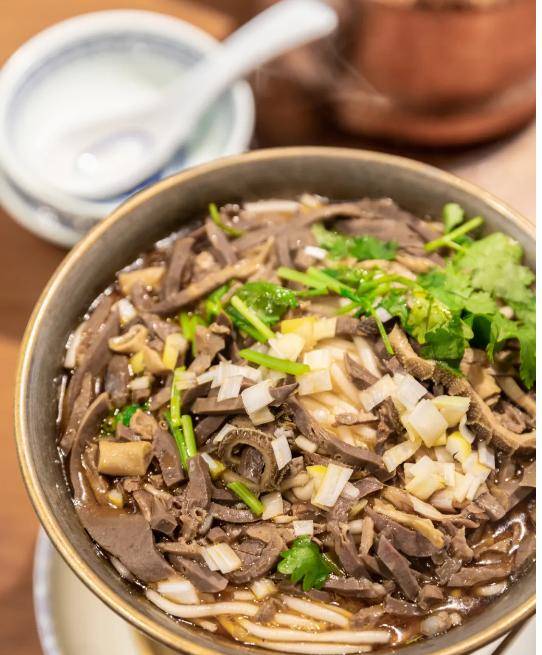
羊心、羊肝、羊肺、羊肠、羊肚……切碎入锅,浇上滚烫的羊汤,撒一把香菜葱花,配粉条烧饼同食。晋北冬天零下二十度,一碗热气腾腾的羊杂割下肚,从胃暖到脚底。每个晋北小城的清晨都是从排队喝羊杂开始的,这是属于黄土高原的早餐仪式。Lamb heart, liver, lungs, intestines, stomach — chopped and ladled into piping hot lamb broth, topped with cilantro and scallions, served with glass noodles and flatbread. When northern Shanxi hits -20°C in winter, a bowl of yang za ge warms you from stomach to toes. Every small town's morning in northern Shanxi begins with lining up for lamb offal soup — a breakfast ritual of the Loess Plateau.양의 심장·간·폐·창자·위를 잘게 썰어 뜨거운 양 육수에 담고, 고수와 파를 얹어 당면과 전병과 함께 먹습니다. 산시 북부의 겨울이 영하 20도가 되면, 양잡탕 한 그릇이 위장부터 발끝까지 따뜻하게 해줍니다. 산시 북부 소도시의 아침은 양잡탕 줄서기로 시작됩니다 — 황토고원의 아침 의식입니다.
- 大同、忻州、朔州各有风味:大同偏咸鲜,忻州加粉条,朔州放辣椒Each city has its style: Datong salty-savory, Xinzhou with noodles, Shuozhou with chili도시마다 맛이 다릅니다: 다퉁은 짭짤하고, 신저우는 당면을 넣고, 숴저우는 고추를 더합니다
- 清晨限定:多数摊位5-6点开卖,中午前售罄Morning only: most stalls open 5-6 AM, sold out before noon아침 한정: 대부분 새벽 5~6시에 열어 점심 전에 완판
- 配烧饼泡着吃是灵魂吃法Soaking flatbread in the soup is the soul move전병을 국물에 적셔 먹는 것이 핵심 먹는 법
烧麦(稍梅)Shaomai (Steamed Dumplings)샤오마이 (烧麦)
🍜 晋式早点🍜 Shanxi Breakfast🍜 산시식 아침 간식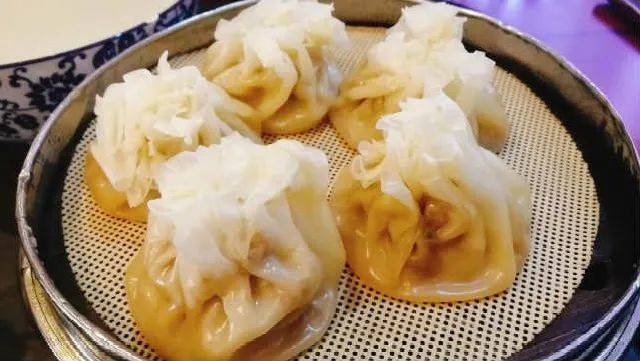
山西烧麦和南方的完全不同——皮薄如纸、边口如花,馅料以羊肉大葱为主,一口下去满嘴肉香。大同烧麦尤为出名,面皮边缘褶皱像一朵含苞待放的花,当地人叫"稍梅"。配一壶砖茶,几个烧麦,就是大同人最讲究的早餐仪式。Shanxi shaomai is nothing like the southern version — paper-thin skin with petal-like ruffled edges, stuffed with lamb and scallion, bursting with meaty flavor. Datong shaomai is especially famous: the crimped edges bloom like a flower bud, called "shao mei" locally. A pot of brick tea and a few shaomai — that's Datong's most refined breakfast ritual.산시 샤오마이는 남방 것과 전혀 다릅니다 — 종이처럼 얇은 피에 꽃잎 같은 주름이 잡혀 있고, 양고기와 파로 속을 가득 채워 한입 베어물면 고기 향이 가득합니다. 다퉁 샤오마이가 특히 유명한데, 주름진 가장자리가 꽃봉오리처럼 피어나 현지에서는 '샤오메이'라 부릅니다. 전차 한 주전자에 샤오마이 몇 개 — 다퉁의 가장 품격 있는 아침 의식입니다.
- 皮薄如蝉翼,褶口如花瓣Skin thin as cicada wings, folds like petals매미 날개처럼 얇은 피, 꽃잎 같은 주름
- 大同凤临阁烧麦是百年老字号Datong's Fenglin Pavilion shaomai is a century-old brand다퉁 펑린거(凤临阁) 샤오마이는 백년 노포
- 一两烧麦 = 8个,配砖茶是标配One "liang" = 8 pieces, always paired with brick tea1냥 = 8개, 전차와 함께 먹는 것이 정석
🧁 传统小吃🧁 Traditional Snacks🧁 전통 간식
街头巷尾的烟火气Street-side flavors, timeless warmth골목골목의 정겨운 맛
太原丸子汤Taiyuan Meatball Soup타이위안 완자탕 (丸子汤)
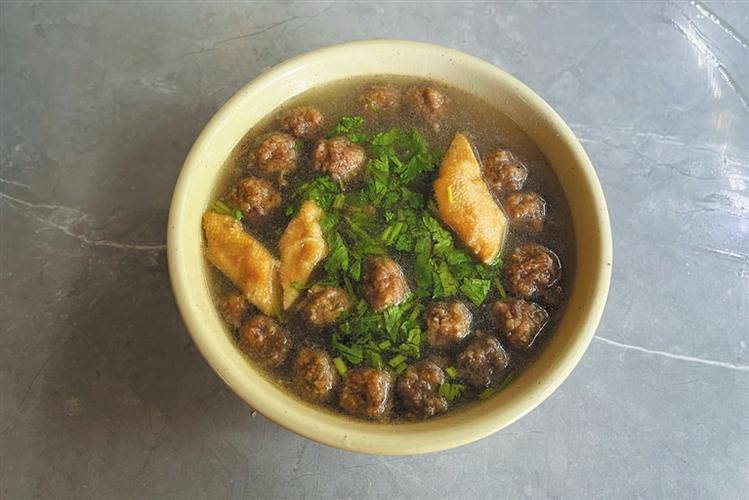
太原街头最接地气的早餐——粉条、豆腐、丸子在大锅里翻滚,浇上一勺辣椒油,配馒头或饼,几块钱吃得热乎饱足。每个太原人心中都有一家"我们那儿的丸子汤",这就是城市的烟火气。Taiyuan's most down-to-earth breakfast — glass noodles, tofu, and meatballs bubbling in a big pot, drizzled with chili oil, served with steamed bread. Every Taiyuan native has "their" meatball soup stall — this is the city's street-level soul.타이위안에서 가장 서민적인 아침식사 — 큰 솥에 당면·두부·완자가 보글보글 끓고, 고추기름을 뿌려 만터우나 전병과 함께 먹습니다. 모든 타이위안 사람은 마음속에 '우리 동네 완자탕집'이 있습니다 — 이것이 이 도시의 서민 정서입니다.
碗秃Bowl-Shaped Buckwheat Jelly (Wan Tuo)완탈 (碗秃)
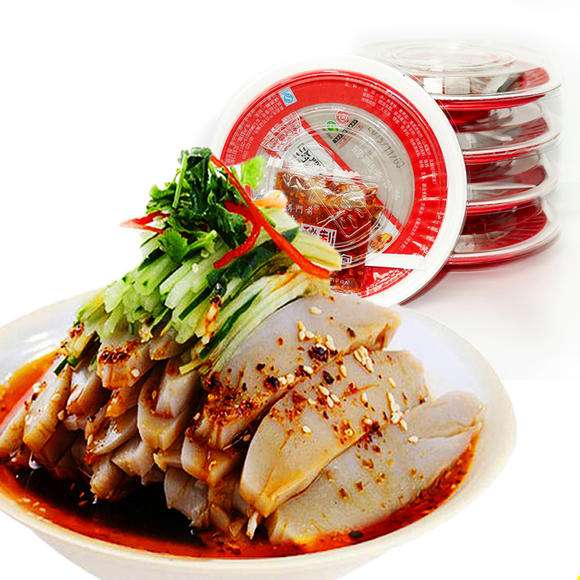
荞面糊蒸制成碗状凝固体,切条或切块,凉拌或炒食。凉拌碗秃浇上醋、蒜、辣椒油,酸辣爽滑,是平遥古城街头最受欢迎的小吃。口感介于凉皮和凉粉之间,柔韧弹牙。Buckwheat batter steamed into a bowl-shaped jelly, sliced into strips, served cold with vinegar, garlic, and chili oil — tangy, spicy, and slippery smooth. The most popular street snack in Pingyao's ancient city. Texture falls between cold noodle sheets and jelly — springy and satisfying.메밀 반죽을 그릇 모양으로 쪄서 굳힌 뒤 가늘게 썰어, 식초·마늘·고추기름으로 무쳐 먹습니다 — 새콤매콤하고 매끈합니다. 핑야오 고성에서 가장 인기 있는 길거리 간식이며, 식감은 냉면 피와 묵 사이로 탱탱하고 씹는 맛이 좋습니다.
- 平遥版 vs 柳林版:蘸料不同,各有千秋Pingyao vs Liulin style: different sauces, each excellent핑야오 vs 류린 스타일: 소스가 다르지만 각각 훌륭합니다
- 夏天消暑神器Perfect summer cooler여름 더위를 식혀주는 최고의 간식
石头饼Stone-Baked Flatbread (Shitou Bing)돌구이 전병 (石头饼)
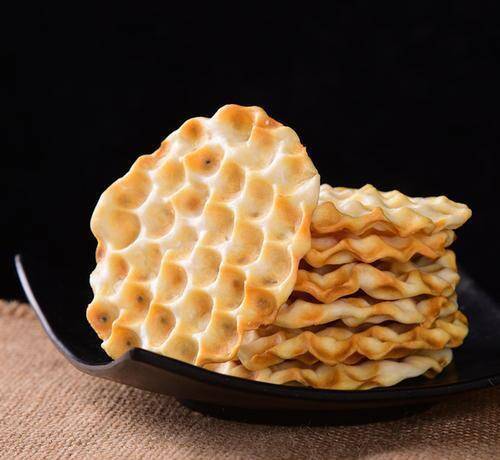
把面饼埋在烧热的鹅卵石中烙熟——这种石器时代的烹饪方式在山西延续至今。石头饼表面凹凸不平布满石头印痕,酥脆干香,越嚼越香。是山西最古老的面食之一,也是最佳的旅途干粮。Dough buried among heated river pebbles — this Stone Age cooking method lives on in Shanxi. The bread surface is marked with pebble imprints, crispy and dry-fragrant, more flavorful with every chew. One of Shanxi's oldest breads and the perfect travel ration.반죽을 달군 자갈 속에 묻어 굽습니다 — 석기시대의 조리법이 산시에서 지금까지 이어지고 있습니다. 빵 표면에 조약돌 자국이 울퉁불퉁하게 남아 있으며, 바삭하고 구수해서 씹을수록 고소합니다. 산시에서 가장 오래된 빵 중 하나이며 최고의 여행 식량입니다.
- 制法可追溯到石器时代Method traceable to the Stone Age석기시대까지 거슬러 올라가는 조리법
- 保质期长,古代行军干粮Long shelf life — ancient military ration보존 기간이 길어 고대 군량으로 사용
太谷饼Taigu Cake타이구 병 (太谷饼)
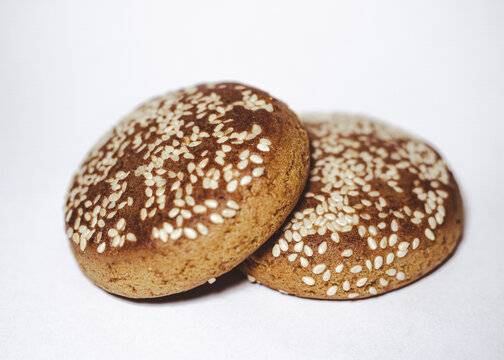
晋商太谷曹家的私家点心,后流传民间。用白面、白糖、芝麻油和鸡蛋制成,甜而不腻、酥而不碎,掰开后层层分明。因太谷是晋商重镇,太谷饼随着商路传遍大江南北,成为山西最早的"网红糕点"。Originally a private pastry of the Cao merchant family in Taigu, later spread to the public. Made with flour, sugar, sesame oil, and eggs — sweet but not cloying, flaky but not crumbly, with visible layers when broken. As Taigu was a major merchant hub, the cake traveled along trade routes to become Shanxi's earliest "viral pastry."원래 타이구 조씨 상인 가문의 비밀 과자였으나 나중에 민간에 퍼졌습니다. 밀가루·설탕·참기름·달걀로 만들며, 달콤하되 느끼하지 않고, 바삭하되 부서지지 않으며, 쪼개면 층이 선명합니다. 타이구가 진상(晋商)의 요충지였기에 이 과자는 교역로를 따라 전국으로 퍼져 산시 최초의 '인기 과자'가 되었습니다.
- 晋商贸易路上的能量补给Energy fuel on the merchant trade routes상인 교역로의 에너지 보급식
- 鑫炳记是最正宗的老字号Xin Bing Ji is the most authentic heritage brand신빙지(鑫炳记)가 가장 정통 노포 브랜드
浑源凉粉Hunyuan Liangfen (Mung Bean Jelly)훈위안 량펀 (浑源凉粉)
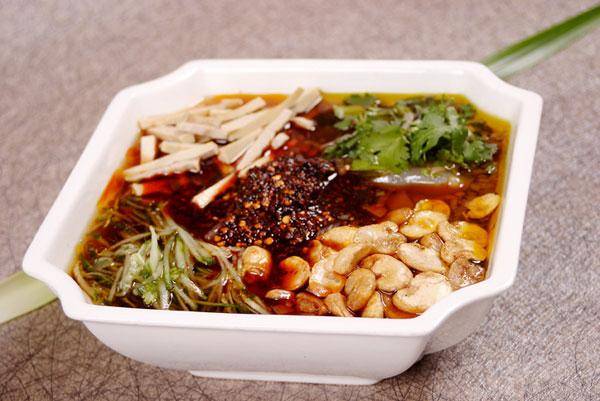
去悬空寺不吃浑源凉粉等于白去——这是大同人的共识。用绿豆淀粉熬制的凉粉晶莹剔透,切成条状,浇上秘制辣椒油、莲花豆、豆腐干丁和蒜水,酸辣鲜香一口上头。浑源凉粉的灵魂在于辣椒油——用十几种香料熬制,每家都有自己的秘方,吃完嘴唇红彤彤、额头微微冒汗,那才是正宗。Visiting the Hanging Temple without eating Hunyuan liangfen is like never going — every Datong local agrees. Crystal-clear mung bean jelly cut into strips, dressed with secret-recipe chili oil, crispy lotus beans, diced dried tofu, and garlic water — tangy, spicy, and addictive from the first bite. The soul is in the chili oil — simmered with a dozen spices, each shop guarding its own recipe. Red lips and a lightly sweating forehead? That's the real deal.현공사에 가서 훈위안 량펀을 안 먹으면 헛걸음 — 다퉁 사람이라면 모두 동의합니다. 투명한 녹두 묵을 가늘게 썰어, 비법 고추기름·바삭한 잠두·두부건 다짐·마늘물을 얹으면 새콤매콤하고 첫 입부터 중독됩니다. 핵심은 고추기름으로 — 십여 가지 향신료로 달이며, 각 가게마다 비법을 지킵니다. 입술이 빨갛고 이마에 땀이 살짝 맺히면, 그것이 정통입니다.
- 悬空寺景区门口一条街全是凉粉摊The entire street outside Hanging Temple is lined with liangfen stalls현공사 앞 거리 전체가 량펀 가판대입니다
- 莲花豆(炸蚕豆)是灵魂配料,酥脆点睛Crispy lotus beans (fried broad beans) are the key topping바삭한 잠두(연화두)가 핵심 토핑
- 一碗凉粉几块钱,但回味无穷A few yuan per bowl, but the taste lingers forever한 그릇 몇 위안이지만 여운은 영원합니다
黄米凉糕Chilled Millet Cake (Huang Mi Liang Gao)황미 냉고 (黄米凉糕)
🧁 消暑圣品🧁 Summer Cooler🧁 여름 별미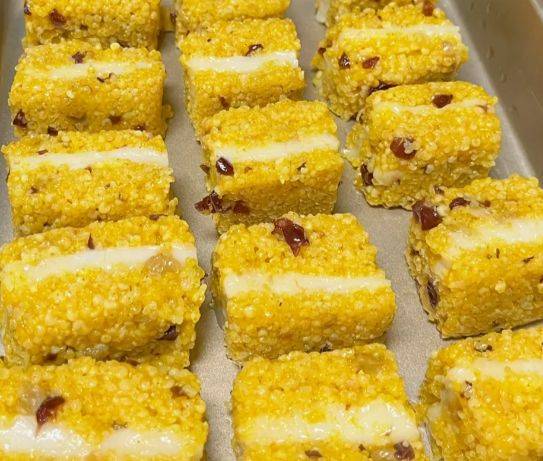
黄米蒸熟后压实、冷却、切块,淋上玫瑰糖浆或桂花蜜,软糯香甜、冰凉爽口。黄米凉糕是晋北夏天街头最受欢迎的消暑小吃,金黄的米糕配上红色的玫瑰酱,好看好吃还便宜。在大同古城的街巷里,推车叫卖凉糕的小贩是夏日最熟悉的风景。Glutinous millet steamed, pressed, chilled, and sliced — drizzled with rose syrup or osmanthus honey. Soft, sticky-sweet, and refreshingly cool. The most popular summer street snack in northern Shanxi: golden millet cake topped with ruby rose sauce — beautiful, delicious, and cheap. In Datong's old city lanes, cart vendors selling chilled millet cake are the quintessential summer scene.찰기장을 쪄서 눌러 식힌 뒤 썰어, 장미 시럽이나 계화꿀을 뿌립니다. 부드럽고 찰지며 달콤하고 시원합니다. 산시 북부 여름 길거리 간식 중 최고 인기로, 황금빛 떡 위에 루비색 장미 소스를 얹으면 예쁘고 맛있고 저렴합니다. 다퉁 구시가지 골목에서 수레로 냉고를 파는 상인은 여름의 대표적인 풍경입니다.
- 黄米 = 黍米,和大同黄糕同源但吃法完全不同Same millet as Datong yellow cake, but completely different preparation다퉁 황고와 같은 기장이지만 조리법이 완전히 다릅니다
- 玫瑰糖浆是灵魂配料Rose syrup is the essential topping장미 시럽이 필수 토핑
- 夏天冰镇后吃更爽Even better chilled in summer여름에 차갑게 먹으면 더 맛있습니다
🍶 名酒名醋🍶 Fine Spirits & Vinegar🍶 명주와 명초
一杯汾酒敬千年,一壶老醋品三晋A cup of Fenjiu toasts a millennium, a pot of aged vinegar savors all of Shanxi분주 한 잔에 천년을 건배하고, 숙성 식초 한 병으로 산시를 맛보다
山西老陈醋Shanxi Aged Vinegar산시 숙성 식초 (老陈醋)
🏅 国家级非遗🏅 National Intangible Heritage🏅 국가급 무형문화유산"山西人爱吃醋"不是传说——山西人均食醋量全国第一。山西老陈醋始于周代,已有3000多年历史,以清徐县为核心产区。酿造工艺讲究"蒸、酵、熏、淋、陈"五步,陈放越久越醇厚。好的老陈醋挂杯不散、绵酸不烈、回甘悠长,是山西餐桌上永远的灵魂调味。"Shanxi people love vinegar" is no joke — Shanxi has the highest per-capita vinegar consumption in China. Shanxi aged vinegar dates back to the Zhou Dynasty, over 3,000 years ago, with Qingxu County as the core producing region. The five-step process — steaming, fermenting, smoking, straining, and aging — creates a vinegar that coats the glass, tastes mellow rather than harsh, and leaves a lingering sweet finish. The eternal soul of every Shanxi table.'산시 사람은 식초를 사랑한다'는 농담이 아닙니다 — 산시는 1인당 식초 소비량이 중국 1위입니다. 산시 숙성 식초는 주나라 시대까지 거슬러 올라가 3,000여 년의 역사를 가지며, 칭쉬현이 핵심 생산지입니다. 증·발효·훈·여과·숙성의 다섯 단계 공정으로 잔에 붙고, 부드럽되 자극적이지 않으며, 은은한 단맛이 여운으로 남는 식초를 만듭니다. 산시 식탁의 영원한 영혼입니다.
- 清徐东湖醋园和宁化府是最著名的品牌Donghu Vinegar Garden and Ninghuafu are the most famous brands둥후(东湖) 식초원과 닝화부(宁化府)가 가장 유명한 브랜드
- 陈年8年以上的老醋几乎不会过期Vinegar aged 8+ years essentially never expires8년 이상 숙성된 식초는 사실상 유통기한이 없습니다
- 山西人出远门,行李箱里一定有一瓶醋When Shanxi people travel, there's always a bottle of vinegar in their luggage산시 사람이 여행할 때 가방에는 반드시 식초 한 병이 있습니다
汾酒Fenjiu (Fen Liquor)분주 (汾酒)
🏅 国家级非遗🏅 National Intangible Heritage🏅 국가급 무형문화유산南北朝时已是宫廷御酒,1500年酿造史从未中断。汾酒是清香型白酒的鼻祖,以"清、正、甜、净"四字著称,1915年巴拿马万国博览会上一举夺得甲等大奖章。"借问酒家何处有,牧童遥指杏花村"——杜牧笔下的杏花村就在汾阳,至今仍是汾酒的酿造圣地。An imperial court wine since the Northern and Southern Dynasties, with 1,500 years of unbroken brewing history. Fenjiu is the ancestor of "light-aroma" baijiu, celebrated for being "clear, pure, sweet, and clean." It won the top medal at the 1915 Panama-Pacific International Exposition. Du Mu's famous Tang poem — "Where can I find a tavern? The shepherd boy points to Apricot Blossom Village" — describes Xinghua Village in Fenyang, still Fenjiu's sacred brewing ground today.남북조 시대부터 궁중 어주였으며, 1,500년간 끊이지 않은 양조 역사를 자랑합니다. 분주는 '청향형' 바이주의 시조로 '맑고, 바르고, 달고, 깨끗하다'로 칭송받습니다. 1915년 파나마 만국박람회에서 최고상을 수상했습니다. 두목(杜牧)의 유명한 당시 — '주막이 어디 있느냐 물으니 목동이 살구꽃 마을을 가리키네' — 그 행화촌이 바로 펀양에 있으며, 오늘날에도 분주의 성지입니다.
- 1915年巴拿马万国博览会甲等大奖章1915 Panama Expo Grand Prize medal1915년 파나마 만국박람회 최고상 수상
- 清香型白酒鼻祖,影响了中国众多酒系的酿造工艺Ancestor of light-aroma baijiu, influencing brewing techniques across China청향형 바이주의 시조, 중국 전역의 양조 기술에 영향
- 竹叶青酒是汾酒的配制酒版本,加入竹叶等12味中药Zhuye Qingjiu is Fenjiu's herbal version, infused with bamboo leaves and 12 herbs주엽청주(竹叶青酒)는 분주에 대나무 잎과 12가지 한약재를 우린 배합주