忻州市概览Xinzhou Overview
忻州市行政区划图Administrative Map of Xinzhou
🏆 重要名片🏆 Key Highlights
- 五台山(五台县)— 世界文化遗产,中国四大佛教名山之首,文殊菩萨道场。拥有中国现存最古老的木结构建筑南禅寺(建于唐建中三年,782年)和佛光寺Mount Wutai (Wutai) — UNESCO World Heritage Site, foremost of China's Four Sacred Buddhist Mountains, home to Manjushri Bodhisattva. Contains China's oldest surviving wooden buildings: Nanchan Temple (782 AD) and Foguang Temple
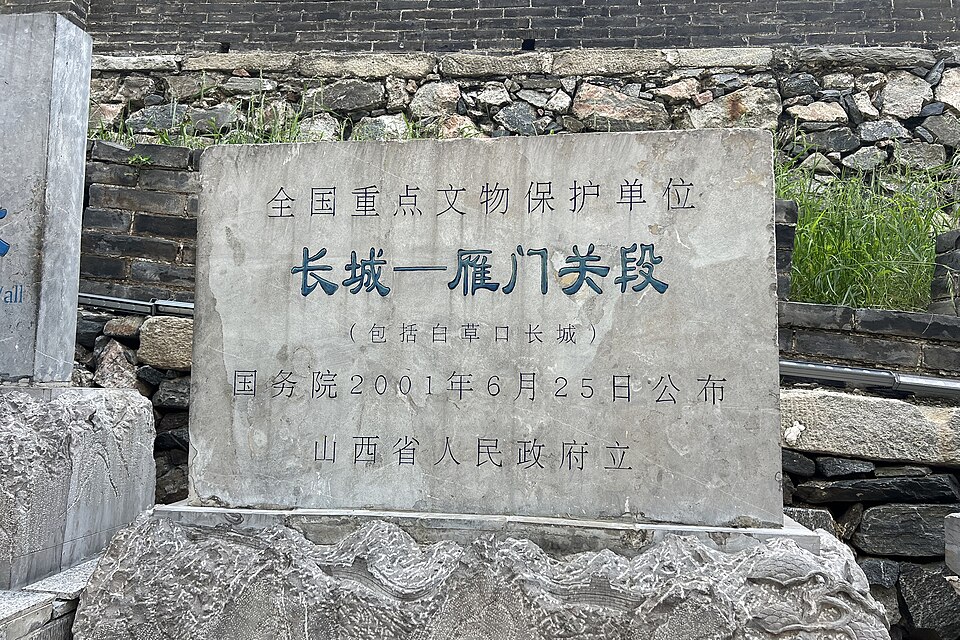
- 雁门关(代县)— "天下九塞,雁门为首",中国长城上最重要的关隘之一,历代兵家必争之地,李牧、杨业、薛仁贵等名将都曾在此征战Yanmen Pass (Dai) — "First of China's Nine Fortresses," one of the most important passes on the Great Wall. Legendary generals like Li Mu, Yang Ye, and Xue Rengui all fought here
- 万年冰洞(宁武县)— 形成于新生代第四纪冰川期,洞深100余米,冰柱、冰帘、冰瀑奇景令人叹为观止,被称为"中华一绝"10,000-Year Ice Cave (Ningwu) — Formed during the Quaternary Ice Age, over 100m deep with ice pillars, curtains, and waterfalls — called "China's unique wonder"
- 老牛湾(偏关县)— 黄河与长城握手的地方,黄河入晋第一湾,壮美景观Old Ox Bend (Pianguan) — Where the Yellow River meets the Great Wall, the river's first bend entering Shanxi — spectacular scenery
🎭 非物质文化遗产🎭 Intangible Cultural Heritage
- 河曲民歌 — "河曲民歌海如潮",河曲是中国民歌之乡,二人台的发源地,2006年列入国家级非遗Hequ Folk Songs — "Hequ folk songs flow like the tide." Birthplace of Errentai opera. National intangible heritage since 2006
- 忻州北路梆子 — 山西四大梆子之一,声腔高亢激昂,在晋北地区广泛流传Xinzhou Northern Bangzi Opera — One of Shanxi's four major Bangzi operas, with a bold, passionate vocal style popular across northern Shanxi
- 定襄面塑 — 将面团捏塑成各种造型后蒸制上色,造型生动精美,是婚丧嫁娶等重要场合的必备Dingxiang Dough Sculpture — Steamed dough shaped into vivid, colorful figures — essential at weddings, funerals, and ceremonies
忻府区忻府区 Xinfu District
📜 历史沿革📜 History
忻府区是忻州市的政治、经济、文化中心。古称秀容,因"忻口"而得名——相传汉高祖刘邦在此大破匈奴后"六军忻然",故名忻州。这里是传说中四大美人之一貂蝉的故里。奇村温泉闻名遐迩,水温高达63°C,含多种矿物质。面积1,987平方公里,人口约58万。Xinfu District is Xinzhou's center. The name "Xinzhou" derives from Emperor Gaozu of Han's joy ("xin") after defeating the Xiongnu here. Legendary birthplace of Diaochan, one of the Four Beauties. Famous for Qicun Hot Springs at 63°C. Area: 1,987 km², population: ~580,000.
🏛️ 人文景观🏛️ Cultural Sites
- 奇村温泉 — 华北地区著名的温泉疗养胜地,水温63°C,富含多种微量元素,对皮肤病和关节炎有良好疗效Qicun Hot Springs — A famous hot spring resort in North China, 63°C water rich in trace minerals, known for treating skin and joint conditions
- 秀容书院 — 始建于清乾隆年间的古代书院,是忻州文脉的象征,现为省级文物保护单位Xiurong Academy — Qing Dynasty academy from the Qianlong era, symbol of Xinzhou's scholarly heritage. Provincial cultural relic
- 忻口战役遗址 — 1937年忻口战役是抗日战争初期的重要战役,中国军队在此顽强阻击日军,郝梦龄将军壮烈殉国Xinkou Battle Site — The 1937 Battle of Xinkou was a major the early Anti-Japanese War engagement where Chinese forces fiercely resisted Japanese advance. General Hao Mengling died heroically here
🍜 特色美食🍜 Local Cuisine
- 忻州瓦酥 — 忻州最具代表性的传统糕点,形似瓦片,酥脆香甜,已有百年历史Xinzhou Tile Pastry — A century-old tile-shaped pastry, crispy and sweet — Xinzhou's signature snack
- 忻州糯玉米 — 忻府区特产糯玉米,口感软糯香甜,是国家地理标志产品Xinzhou Glutinous Corn — Local specialty waxy corn, soft and sweet — a national geographic indication product
定襄县定襄县 Dingxiang County
📜 历史沿革📜 History
定襄县因汉高祖"平定叛乱,襄助国威"而得名。这里是革命家薄一波的故里。定襄是中国最大的法兰锻造基地,产品远销全球,被誉为"中国锻造之乡"。面积851平方公里,人口约19万。Dingxiang County was named by Emperor Gaozu of Han for "pacifying rebellion and upholding national prestige." Hometown of revolutionary Bo Yibo. China's largest flange forging base, products exported worldwide — "China's Forging Capital." Area: 851 km², population: ~190,000.
🏛️ 人文景观🏛️ Cultural Sites
- 西河头地道战遗址 — 全国重点文物保护单位,抗日战争时期村民挖掘的地道网络,总长5公里,是北方地道战的典型代表Xihetou Tunnel Warfare Site — National key cultural relic. A 5km tunnel network dug during the Anti-Japanese War, a prime example of northern China tunnel warfare
- 薄一波故居 — 革命家薄一波的出生地,现为爱国主义教育基地Bo Yibo's Former Residence — Birthplace of revolutionary Bo Yibo, now a patriotic education base
- 关王庙 — 始建于宋代,是中国现存最早的关帝庙之一,保存有珍贵的宋代建筑构件Guanwang Temple — Built in the Song Dynasty, one of China's earliest Guan Yu temples with precious Song-era architectural elements
🍜 特色美食🍜 Local Cuisine
- 定襄蒸肉 — 定襄最有名的特色菜!用精瘦猪肉和土豆淀粉混合蒸制,切片食用,冷热皆宜,是当地红白喜事的必备菜Dingxiang Steamed Meat — Dingxiang's most famous dish! Lean pork mixed with potato starch, steamed and sliced — served hot or cold, essential at celebrations
- 定襄面塑 — 不仅是艺术品,也是美食!花馍造型精美,色彩鲜艳,蒸熟后可食用Dingxiang Dough Figures — Both art and food! Beautifully shaped, colorfully decorated steamed buns
五台县五台县 Wutai County
📜 历史沿革📜 History
五台县因境内五台山而得名,五台山由东西南北中五座山峰环抱而成。北台叶斗峰海拔3,058米,是华北最高峰,素有"华北屋脊"之称。五台山是世界文化遗产,中国四大佛教名山之首,文殊菩萨道场,佛教文化积淀深厚。这里也是晋察冀边区革命根据地的核心区域。面积2,865平方公里,人口约23万。Wutai County is named after Mount Wutai, formed by five peaks. The North Peak (Yedou Peak) reaches 3,058m — the highest in North China, called "Roof of North China." A UNESCO World Heritage Site, foremost of China's Four Sacred Buddhist Mountains, seat of Manjushri Bodhisattva. Area: 2,865 km², population: ~230,000.
🏛️ 人文景观🏛️ Cultural Sites
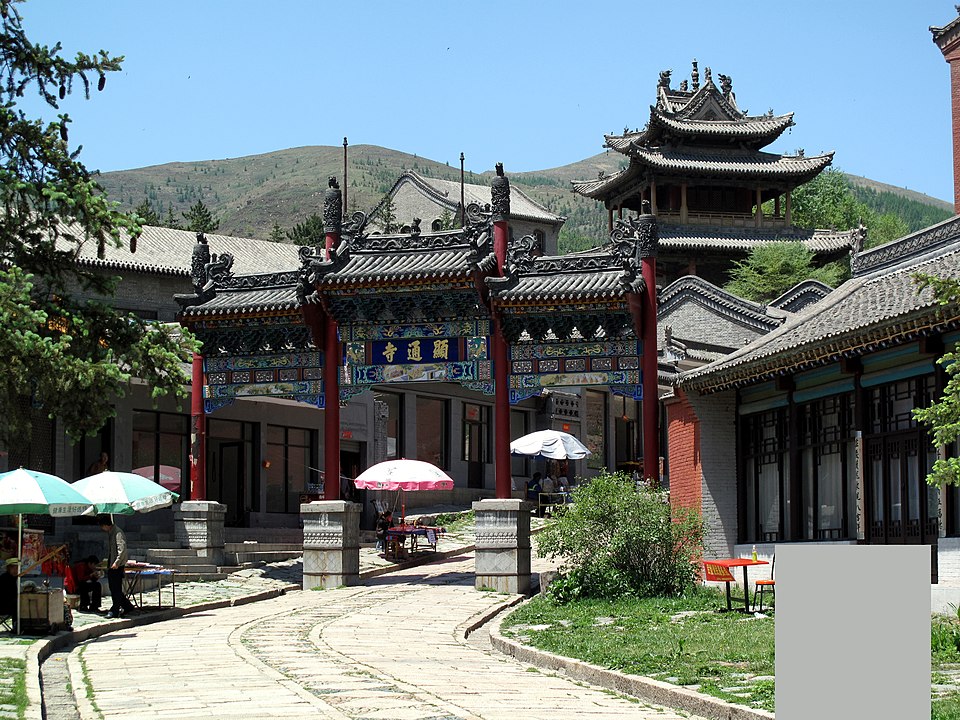
- 五台山 — 2009年列入世界文化遗产名录。山上现存47座寺院,其中显通寺、塔院寺、菩萨顶、殊像寺、罗睺寺为五大禅处。每年吸引数百万朝圣者和游客Mount Wutai — UNESCO World Heritage since 2009. 47 existing temples including five major monasteries. Attracts millions of pilgrims and tourists annually
- 南禅寺 — 建于唐建中三年(782年),是中国现存最古老的木结构建筑!比佛光寺还早75年,殿内唐代彩塑保存完好,极其珍贵Nanchan Temple — Built in 782 AD, China's oldest surviving wooden structure! 75 years older than Foguang Temple, with well-preserved Tang Dynasty painted sculptures
- 佛光寺 — 建于唐大中十一年(857年),被梁思成称为"中国第一国宝"。东大殿是中国现存第三古老的木结构建筑,殿内唐代壁画、彩塑、墨书题记集于一殿,极为罕见Foguang Temple — Built in 857 AD, called "China's #1 National Treasure" by architect Liang Sicheng. The East Hall is China's third-oldest wooden structure, uniquely combining Tang murals, sculptures, and calligraphy in one hall
- 显通寺 — 五台山第一大寺,始建于东汉永平年间(公元68年),是中国最早的佛教寺院之一,与洛阳白马寺齐名Xiantong Temple — Largest temple on Wutai, founded in 68 AD during Eastern Han — one of China's earliest Buddhist temples, rivaling Luoyang's White Horse Temple
🍜 特色美食🍜 Local Cuisine
- 五台山素斋 — 五台山寺院素食闻名遐迩,以豆制品和山野菜为主,清淡素雅,别有风味Wutai Vegetarian Cuisine — Famous temple vegetarian food, primarily tofu and mountain vegetables — elegant and flavorful
- 台蘑 — 五台山特产蘑菇,生长于海拔2000米以上,味道鲜美浓郁,是珍贵的山珍Tai Mushroom — Mountain mushrooms grown above 2,000m on Wutai, intensely flavorful — a precious delicacy
代县代县 Dai County
📜 历史沿革📜 History
代县古称代州,是国家历史文化名城。境内的雁门关被誉为"天下九塞,雁门为首",自战国时期赵武灵王设关以来,2000多年间一直是中原与塞外的军事要冲。李牧、卫青、霍去病、薛仁贵、杨业等历代名将都曾在此建功。面积1,729平方公里,人口约18万。Dai County, historically Daizhou, is a National Historic and Cultural City. Yanmen Pass — "First of Nine Fortresses" — has been a crucial military point between Central China and the frontier for 2,000+ years since King Wuling of Zhao. Legends like Li Mu, Wei Qing, Huo Qubing, Xue Rengui, and Yang Ye all fought here. Area: 1,729 km², population: ~180,000.
🏛️ 人文景观🏛️ Cultural Sites
- 雁门关 — 中国长城上最雄伟的关隘之一,现存关城、敌楼、烽火台等遗迹。关城依山傍险,气势恢宏。"三关冲要无双地,九塞尊崇第一关"Yanmen Pass — One of the most magnificent passes on the Great Wall. Existing ruins include the pass city, watchtowers, and beacon towers. "Unmatched among three passes, supreme among nine fortresses"
- 代州古城 — 保存完好的明代古城,城墙、边靖楼(鼓楼)保存较好。边靖楼高达40米,是中国现存最大的木结构鼓楼Daizhou Ancient City — Well-preserved Ming city. The Bianjing Tower (Drum Tower) at 40m is China's largest surviving wooden drum tower
- 阿育王塔 — 始建于隋仁寿元年(601年),圆形覆钵式塔,造型独特,与其他中国古塔风格迥异,全国重点文物保护单位Ashoka Pagoda — Built in 601 AD, a unique dome-shaped stupa unlike typical Chinese pagodas. National key cultural relic
- 杨忠武祠 — 纪念杨家将的祠堂,供奉杨业及其后人,是杨家将文化的重要承载地Yang Zhongwu Shrine — Memorial shrine for the Yang Family Generals, honoring Yang Ye and his descendants
🍜 特色美食🍜 Local Cuisine
- 代县熬鱼 — 代县家家户户的拿手菜,用小鱼加醋慢炖,鱼骨酥软可食,酸香可口Dai County Braised Fish — A household specialty, small fish slow-braised with vinegar until bones are soft enough to eat — tangy and delicious
- 代县麻片 — 传统糕点,芝麻花生糖片,薄脆香甜,是当地著名的伴手礼Dai Sesame Chips — Traditional sesame-peanut candy wafers, thin, crispy, and sweet — a popular local gift
繁峙县繁峙县 Fanshi County
📜 历史沿革📜 History
繁峙县地处五台山北麓,滹沱河发源于境内。1937年9月25日,八路军115师在平型关伏击日军,取得抗战以来第一个大胜利——平型关大捷,极大鼓舞了全国军民的抗战信心。繁峙也是金代壁画艺术的宝库。面积2,373平方公里,人口约25万。Fanshi County lies at the northern foot of Mount Wutai, where the Hutuo River originates. On September 25, 1937, the 115th Division ambushed Japanese forces at Pingxingguan — the first major Chinese victory in the Anti-Japanese War, greatly boosting national morale. Also a treasury of Jin Dynasty mural art. Area: 2,373 km², population: ~250,000.
🏛️ 人文景观🏛️ Cultural Sites
- 平型关大捷遗址 — 1937年平型关战役遗址,建有纪念馆和纪念碑,是全国爱国主义教育示范基地Pingxingguan Victory Site — Site of the 1937 battle with memorial hall and monument. National patriotic education base
- 岩山寺 — 全国重点文物保护单位,金代所建。殿内壁画极为珍贵,被誉为"金代的清明上河图",描绘了宫廷生活、市井百态等场景,是中国古代壁画的杰作Yanshan Temple — National key cultural relic from Jin Dynasty. Its murals, called "Jin Dynasty's Along the River During Qingming," depict court life and marketplace scenes — a masterpiece of Chinese mural art
- 公主寺 — 始建于北魏,因北魏诚信公主在此出家而得名,保存有珍贵的明代壁画Princess Temple — Founded in Northern Wei era, named after Princess Chengxin who became a nun here. Contains precious Ming Dynasty murals
🍜 特色美食🍜 Local Cuisine
- 繁峙豆腐 — 用滹沱河源头的优质水源制作,口感细嫩,是当地一绝Fanshi Tofu — Made with pure Hutuo River source water, exceptionally tender — a local delicacy
- 疤饼 — 在烧热的石子上烤制的饼,表面凹凸不平如疤痕,口感酥脆,是晋北特色面食Scar Bread — Flatbread baked on hot stones, creating a scarred, uneven surface — crispy and unique to northern Shanxi
宁武县宁武县 Ningwu County
📜 历史沿革📜 History
宁武县地处管涔山区,是山西母亲河汾河的发源地。宁武关与雁门关、偏头关合称"外三关",明代为抵御北方游牧民族的重要军事防线。境内的万年冰洞和芦芽山是世界级的自然奇观。面积1,944平方公里,人口约14万。Ningwu County sits in the Guancen Mountains, source of Shanxi's mother river — the Fen. Ningwu Pass, together with Yanmen and Piantou, formed the "Three Outer Passes" of Ming Dynasty defense. Home to the world-class Ice Cave and Luya Mountain. Area: 1,944 km², population: ~140,000.
🏛️ 人文景观🏛️ Cultural Sites
- 万年冰洞 — 形成于第四纪冰川期,洞深100余米。洞内冰柱、冰帘、冰花、冰瀑千姿百态,终年不化。更神奇的是,冰洞与一个地热火山仅一山之隔,"冰火两重天",被称为"中华一绝"10,000-Year Ice Cave — Formed in the Quaternary Ice Age, over 100m deep. Ice pillars, curtains, flowers, and waterfalls never melt. Amazingly, a geothermal volcano sits just one ridge away — "fire and ice in one place," called "China's Unique Wonder"
- 芦芽山 — 国家自然保护区,山峰形如芦苇嫩芽而得名。是世界珍禽褐马鸡的栖息地,山中有悬空村、情人谷等景点Luya Mountain — National nature reserve named for peaks resembling reed buds. Habitat of the rare Brown Eared Pheasant. Features a cliff-side village and Lovers' Valley
- 汾源灵沼 — 汾河的源头,泉水汩汩涌出,周围古木参天,是山西人的精神寻根之地Fen River Source — The origin of the Fen River, with springs bubbling up amid ancient trees — a spiritual place for Shanxi people
- 悬空村 — 建在悬崖绝壁上的古村落,房屋依崖而建,出门便是万丈深渊,令人惊叹Cliff-Hanging Village — An ancient village built on cliff edges, houses perched over precipices — an awe-inspiring sight
🍜 特色美食🍜 Local Cuisine
- 管涔山蘑菇 — 生长于管涔山原始森林中的野生蘑菇,品种丰富,味道鲜美Guancen Mountain Mushrooms — Wild mushrooms from the Guancen primeval forest, diverse varieties with rich flavor
- 宁武莜面 — 莜面是管涔山区的主食,做法多样:栲栳栳、鱼鱼、窝窝等,筋道有嚼劲Ningwu Oat Noodles — Oat flour is the staple here, prepared in many ways: rolls, fish-shapes, nests — chewy and satisfying
静乐县静乐县 Jingle County
📜 历史沿革📜 History
静乐县因"静和安乐"而得名,位于汾河上游,历史上是游牧民族与中原文化交汇之地。近年来以种植藜麦闻名,被誉为"中国藜麦之乡"。面积2,037平方公里,人口约12万。Jingle County is named for "peace and happiness," located on the upper Fen River at the crossroads of nomadic and Central Plains cultures. Recently famous for quinoa farming — "China's Quinoa Town." Area: 2,037 km², population: ~120,000.
🏛️ 人文景观🏛️ Cultural Sites
- 天柱山 — 静乐标志性山峰,山势陡峻,山顶有古寺遗址,是当地人登高远眺的好去处Tianzhu Mountain — Jingle's landmark peak with ancient temple ruins at the summit, a popular spot for panoramic views
- 岑山书院遗址 — 古代书院遗址,见证了静乐的文教传统Censhan Academy Ruins — Ancient academy site reflecting Jingle's scholarly traditions
🍜 特色美食🍜 Local Cuisine
- 静乐藜麦 — 近年引进种植成功,高蛋白低热量,是健康食品新宠Jingle Quinoa — Successfully introduced in recent years, high-protein and low-calorie — a trending health food
- 碗托 — 荞面糊蒸制后切块,浇上醋蒜辣椒汁,是当地经典小吃Bowl Cake — Steamed buckwheat pudding cut into pieces with vinegar-garlic-chili sauce — a classic local snack
神池县神池县 Shenchi County
📜 历史沿革📜 History
神池县因境内神池(一说为龙泉池)而得名。地处管涔山北麓,风力资源丰富,是山西重要的风力发电基地。神池月饼以独特的胡麻油工艺闻名全国,获国家地理标志产品认证。面积1,471平方公里,人口约8万。Shenchi County is named after a legendary divine pool. Located on Guancen Mountain's northern slopes with abundant wind resources — a major wind power base. Shenchi Mooncakes, made with unique flax oil, are nationally famous with geographic indication status. Area: 1,471 km², population: ~76,000.
🏛️ 人文景观🏛️ Cultural Sites
- 大磨沟风电场 — 层层风车矗立于黄土高原之上,现代工业与古老地貌的壮观融合Damogou Wind Farm — Rows of turbines standing on the Loess Plateau — a spectacular blend of modern industry and ancient landscape
- 龙泉寺 — 当地古刹,相传池中有龙出没,因此得名神池Longquan Temple — A local ancient temple, legend says dragons appeared in its pool, giving the county its name
🍜 特色美食🍜 Local Cuisine
- 神池月饼 — 神池最闪亮的名片!用当地胡麻油代替普通食用油,饼皮酥脆、馅料香甜。中秋前后全国各地争相购买,供不应求Shenchi Mooncakes — Shenchi's shiniest calling card! Made with local flax oil instead of regular cooking oil, creating exceptionally crispy crusts. In huge demand nationwide during Mid-Autumn Festival
- 神池胡麻油 — 冷榨亚麻籽油,色泽金黄,香味浓郁,是当地人不可替代的食用油,也是月饼好吃的秘密Shenchi Flax Oil — Cold-pressed linseed oil, golden and aromatic — the irreplaceable cooking oil of locals and the secret behind the mooncakes
五寨县五寨县 Wuzhai County
📜 历史沿革📜 History
五寨县因城周有五座山寨而得名,地处管涔山西麓,芦芽山风景区的西部入口。境内荷叶坪是华北最大的亚高山草甸,海拔2,783米。五寨也是晋西北重要的粮食产区。面积1,388平方公里,人口约10万。Wuzhai County is named for five mountain stockades around the town. Located at the western foot of Guancen Mountains, western gateway to Luya Mountain. Heyeping at 2,783m is North China's largest subalpine meadow. Area: 1,388 km², population: ~100,000.
🏛️ 人文景观🏛️ Cultural Sites
- 荷叶坪 — 华北最大的亚高山草甸,海拔2783米,一望无际的高山草原,夏季野花遍野,是绝佳的避暑胜地Heyeping Meadow — North China's largest subalpine meadow at 2,783m, endless alpine grassland with wildflowers in summer — a superb retreat
- 南禅寺(五寨段) — 芦芽山景区的组成部分,自然风光秀丽Luya Mountain (Wuzhai section) — Part of the Luya Mountain scenic area with beautiful natural scenery
🍜 特色美食🍜 Local Cuisine
- 五寨烩菜 — 当地特色大烩菜,各种蔬菜和肉类一锅炖,味道醇厚Wuzhai Braised Stew — Local mixed vegetable and meat stew, rich and hearty
- 炒糕 — 黄米面蒸糕切块炒制,配上肉菜,香糯可口Fried Millet Cake — Steamed millet cake cut and stir-fried with meat and vegetables
岢岚县岢岚县 Kelan County
📜 历史沿革📜 History
岢岚县因境内岢岚山而得名,地处吕梁山北端与管涔山交汇处。境内保存有珍贵的宋代长城遗址,是中国现存为数不多的宋长城实物遗存。1948年毛泽东率中央机关转战陕北后东渡黄河来到岢岚。面积1,980平方公里,人口约7万。Kelan County is named after Mount Kelan. It preserves rare Song Dynasty Great Wall ruins — among China's few surviving Song-era wall remains. In 1948, Mao Zedong passed through Kelan after crossing the Yellow River. Area: 1,980 km², population: ~69,000.
🏛️ 人文景观🏛️ Cultural Sites
- 宋长城遗址 — 宋代修筑的防御长城,墙体为夯土结构,虽经千年风雨侵蚀,但城墙走势清晰可见,极具历史价值Song Dynasty Great Wall — Song-era defense wall of rammed earth. Despite 1,000 years of erosion, the wall's course is clearly visible — historically invaluable
- 毛主席路居纪念馆 — 1948年毛泽东东渡黄河后在岢岚的住所旧址,现为纪念馆Mao Zedong's Kelan Residence Memorial — Where Mao stayed in 1948 after crossing the Yellow River, now a memorial
🍜 特色美食🍜 Local Cuisine
- 岢岚柏籽羊肉 — 岢岚的招牌美食!当地绵羊常年食用山间柏树籽和中草药,肉质鲜嫩,自带草药清香,无膻味,被誉为"药膳羊肉"Kelan Cedar-Seed Lamb — Kelan's signature! Local sheep feed on cedar seeds and wild herbs, producing tender meat with an herbal fragrance and no gamey smell — called "medicinal lamb"
河曲县河曲县 Hequ County
📜 历史沿革📜 History
河曲县位于山西省西北角,黄河流经县境形成大弯,故名河曲。这里是中国民歌之乡、二人台艺术的发源地。历史上是走西口的重要渡口,无数山西人从这里跨过黄河去往内蒙古谋生。"哥哥你走西口,小妹妹我实在难留"的民歌传唱至今。面积1,317平方公里,人口约12万。Hequ County sits at Shanxi's northwest corner where the Yellow River bends — hence "River Bend." China's Folk Song Town and birthplace of Errentai art. A key crossing for the "Journey West" migration. The famous folk song "Brother, as you leave for the Western Pass" is still sung today. Area: 1,317 km², population: ~120,000.
🏛️ 人文景观🏛️ Cultural Sites
- 西口古渡 — 走西口的起点,黄河渡口遗址。当年无数山西人从这里渡过黄河,背井离乡去内蒙古讨生活。现建有西口古渡广场,黄河日落壮观至极Western Pass Ancient Ferry — Starting point of the "Journey West" migration. Countless Shanxi people crossed the Yellow River here seeking livelihoods in Inner Mongolia. Now a public square with spectacular Yellow River sunsets
- 河曲民歌博物馆 — 展示河曲民歌和二人台艺术的专题博物馆,可现场观看表演Hequ Folk Song Museum — Dedicated museum showcasing folk songs and Errentai art, with live performances
- 海潮禅寺 — 黄河岸边的古寺,始建于明代,因黄河涨水时寺前有海潮之声而得名Haichao Temple — Ming Dynasty riverside temple named for the "ocean tide" sound of the Yellow River at flood
🍜 特色美食🍜 Local Cuisine
- 河曲酸粥 — 河曲的标志性美食!用小米发酵后熬制的酸粥,酸香开胃,是当地人每天必吃的主食,夏天尤其受欢迎Hequ Sour Porridge — Hequ's iconic food! Fermented millet porridge, tangy and appetizing — a daily staple, especially popular in summer
- 黄河鲤鱼 — 黄河河曲段的鲤鱼肉质鲜美,是当地名贵河鲜Yellow River Carp — Carp from the Hequ section of the Yellow River, prized for its delicate flavor
保德县保德县 Baode County
📜 历史沿革📜 History
保德县位于黄河东岸,与陕西府谷县隔河相望。"保德"取"保卫恩德"之意。这里是山西红枣的重要产区,黄河沿岸枣林成片。保德也有丰富的民歌传统,与河曲民歌一脉相承。面积995平方公里,人口约14万。Baode County sits on the Yellow River's east bank opposite Shaanxi's Fugu County. Named for "protecting virtue." A major red date producing area with orchards along the Yellow River. Rich folk song tradition connected to Hequ. Area: 995 km², population: ~140,000.
🏛️ 人文景观🏛️ Cultural Sites
- 黄河大桥 — 连接山西保德和陕西府谷的跨黄河大桥,是晋陕两省的重要通道Yellow River Bridge — Spanning the Yellow River between Baode (Shanxi) and Fugu (Shaanxi), a vital cross-province link
- 故城遗址 — 保德古城遗址,依黄河而建,地势险要Ancient City Ruins — Old Baode city ruins built along the Yellow River on strategic terrain
🍜 特色美食🍜 Local Cuisine
- 保德红枣 — 黄河岸边的优质红枣,皮薄肉厚核小,甘甜如蜜,是保德最重要的经济作物和地方特产Baode Red Dates — Premium dates from the Yellow River banks, thin-skinned, fleshy, and honey-sweet — Baode's most important crop and specialty
- 碗托 — 荞面小吃,与河曲、静乐一带做法相似Bowl Cake — Buckwheat snack similar to Hequ and Jingle styles
偏关县偏关县 Pianguan County
📜 历史沿革📜 History
偏关县因偏头关而得名,偏头关与雁门关、宁武关合称"外三关"。这里是黄河入晋的第一站,老牛湾是黄河与长城唯一握手的地方,被称为"中国最美的地方之一"。面积1,667平方公里,人口约7万。Pianguan County is named after Piantou Pass — one of the "Three Outer Passes" with Yanmen and Ningwu. The Yellow River enters Shanxi here. Old Ox Bend is the only place where the Yellow River and Great Wall meet — called "one of China's most beautiful places." Area: 1,667 km², population: ~73,000.
🏛️ 人文景观🏛️ Cultural Sites
- 老牛湾 — 黄河入晋第一湾,也是黄河与长城唯一交汇的地方。黄河在此急转形成壮美的大拐弯,明长城从山上蜿蜒而下直插河岸,场面震撼人心。日出日落时分尤为壮观Old Ox Bend — The Yellow River's first bend entering Shanxi, and the only place where it meets the Great Wall. The river makes a dramatic turn while the Ming Wall descends the mountain straight to the riverbank — breathtaking, especially at sunrise and sunset
- 偏头关 — 明代外三关之一,关城遗址保存尚好,城墙与长城相连,扼守黄河渡口Piantou Pass — One of the Three Outer Passes of the Ming Dynasty, ruins in fair condition, walls connecting to the Great Wall, guarding the Yellow River crossing
- 乾坤湾 — 黄河在此形成的又一个大弯,与陕西乾坤湾遥相呼应Qiankun Bend — Another dramatic Yellow River bend, echoing the famous Qiankun Bend in Shaanxi
🍜 特色美食🍜 Local Cuisine
- 偏关羊肉 — 黄河岸边草场养殖的绵羊,肉质鲜美,炖羊肉、手把肉都是待客上品Pianguan Lamb — Sheep raised on Yellow River grasslands, tender and flavorful — braised or hand-grabbed, a premium dish for guests
- 黄河鱼 — 偏关黄河段的野生鱼类,肉质紧实鲜美Yellow River Fish — Wild fish from the Pianguan section, firm and delicious
原平市原平市 Yuanping City
📜 历史沿革📜 History
原平市原名崞县,1993年撤县设市。这里是东晋高僧慧远大师(净土宗初祖)的弘法之地(慧远籍贯雁门楼烦,今宁武附近)。原平是忻州经济最发达的县级市,拥有较完整的工业体系,铝工业尤为突出。"原平凤秧歌"是国家级非遗项目。面积2,550平方公里,人口约41万。Yuanping City, formerly Guo County, became a city in 1993. This area is associated with Eastern Jin monk Huiyuan — founding patriarch of Pure Land Buddhism (born in Loufan, Yanmen, present-day Ningwu). Xinzhou's most economically developed county-level city with strong aluminum industry. "Yuanping Phoenix Yangge" is a national intangible heritage. Area: 2,550 km², population: ~410,000.
🏛️ 人文景观🏛️ Cultural Sites
- 崞阳古城 — 原平旧城所在地,保存有古城墙、文庙等遗迹,是研究明清北方小城的珍贵样本Guoyang Ancient City — Old Yuanping site with preserved city walls and Confucian temple — a valuable example of Ming-Qing northern towns
- 慧远故里 — 净土宗初祖慧远大师(334-416年)的纪念地(慧远籍贯雁门楼烦,今宁武),净土宗初祖,对东亚佛教影响深远Huiyuan Memorial — Commemorating Master Huiyuan (334-416), born in Loufan, Yanmen (present-day Ningwu). Founding patriarch of Pure Land Buddhism, profoundly influential across East Asian Buddhism
- 天涯山石鼓神祠 — 位于天涯山下的古祠,传说中介子推的祭祀地之一,建筑精美Tianya Mountain Stone Drum Shrine — Ancient shrine at the base of Tianya Mountain, a legendary site for commemorating Jie Zitui
🍜 特色美食🍜 Local Cuisine
- 原平锅魁 — 原平最有名的面食,直径可达50厘米的大饼,外酥内软,层次分明,是当地的"面食之王"Yuanping Guokui — Yuanping's most famous bread, up to 50cm in diameter, crispy outside and soft inside with distinct layers — the local "king of bread"
- 崞阳豆腐 — 崞阳古城的传统豆腐,质地细嫩,远近闻名Guoyang Tofu — Traditional tofu from old Guoyang, exceptionally tender and well-known regionally