阳泉市行政区划图Administrative Map of Yangquan
🏆 主要景区🏆 Major Scenic Spots
- 藏山(盂县)— 国家4A级景区,"赵氏孤儿"故事发源地,春秋时期程婴藏匿赵武之处,被誉为"天下藏孤处,世间忠义村"Cangshan Mountain (Yu County) — National AAAA scenic spot, birthplace of the "Orphan of Zhao" legend, where Cheng Ying hid the young Zhao Wu in the Spring and Autumn period — praised as "Where the orphan was hidden, a village of loyalty and righteousness"
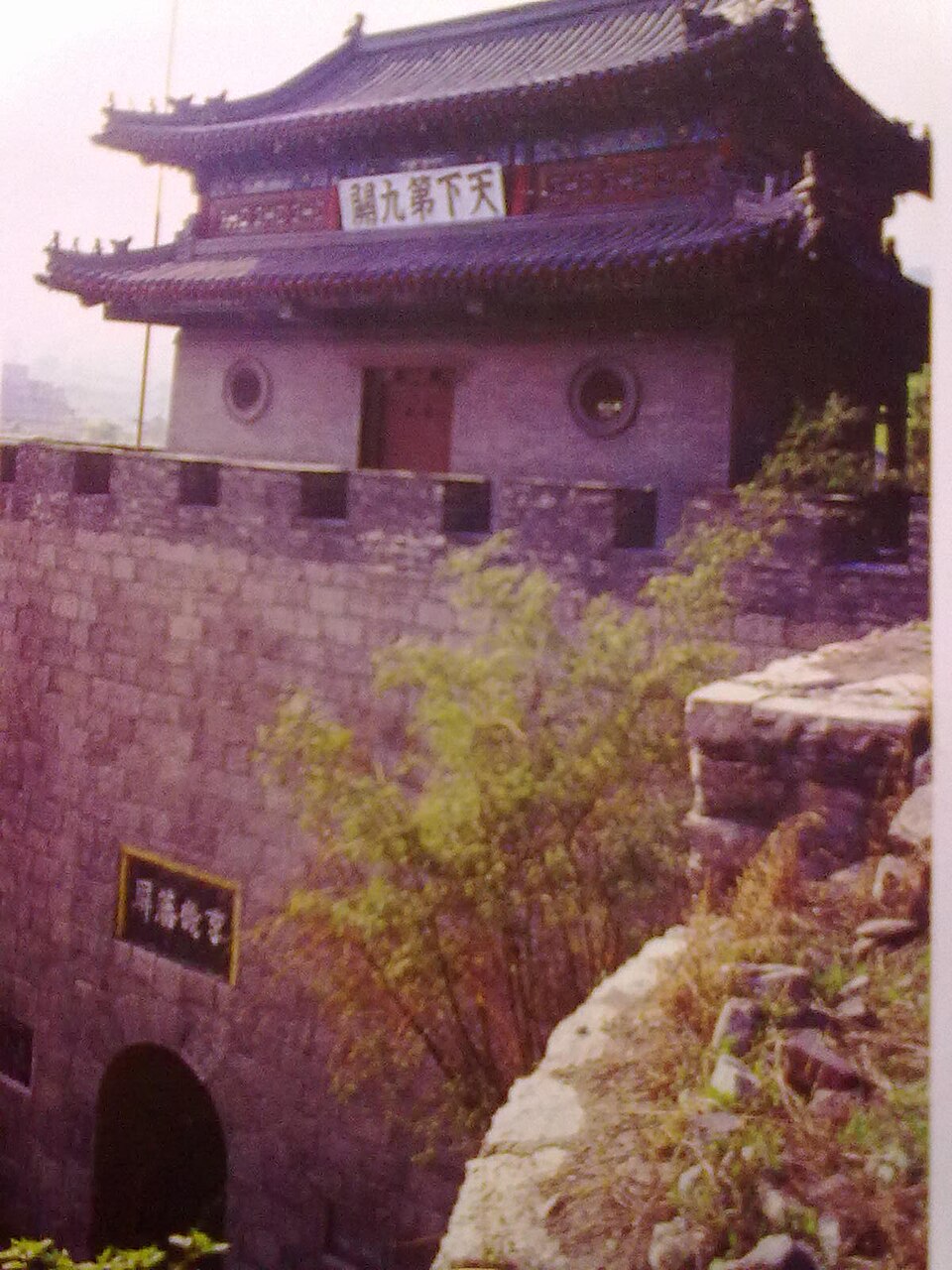
- 娘子关(平定县)— 万里长城第九关,"天下第九关",相传为唐太宗之妹平阳公主率娘子军驻守,关城雄伟,瀑布飞流Niangziguan Pass (Pingding County) — The Ninth Pass of the Great Wall, said to have been garrisoned by Princess Pingyang of the Tang Dynasty with her women's army. Majestic fortifications and cascading waterfalls
- 桃林沟(郊区)— 国家4A级景区,现代乡村旅游典范,春季桃花烂漫Taolingou (Jiaoqu District) — National AAAA scenic spot, a model of modern rural tourism with splendid peach blossoms in spring
🎭 非物质文化遗产🎭 Intangible Cultural Heritage
国家级National
- 平定砂器制作技艺(平定县)— 始于唐代,以当地特殊砂土烧制而成,耐高温、无毒无害,是中国四大砂器之一,2021年列入国家级非遗Pingding Sandware Craft (Pingding County) — Dating from the Tang Dynasty, made from special local sandy clay, heat-resistant and non-toxic — one of China's Four Great Sandware traditions. National intangible heritage since 2021
- 平定武迓鼓(平定县)— 源于宋代军中战鼓,以激烈的鼓点和阵法表演著称,是古代军事文化的活化石,2008年列入国家级非遗Pingding Wu Ya Drum (Pingding County) — Originating from Song Dynasty military drums, known for fierce drumming and battle formation performances — a living fossil of ancient military culture. National intangible heritage since 2008
- 阳泉评说 — 地方曲艺形式,用阳泉方言说唱,诙谐幽默,深受群众喜爱Yangquan Pingshuo — A local storytelling art form performed in Yangquan dialect, humorous and beloved by the people
省级Provincial
- 平定黑釉刻花瓷(平定县)— 始于唐宋,以黑釉为底、刻花填白,风格独特,是北方民间陶瓷艺术珍品Pingding Black-Glaze Incised Ceramics (Pingding County) — From the Tang-Song era, featuring carved white patterns on black glaze — a treasure of northern folk ceramic art
- 盂县牛斗虎(盂县)— 民间舞蹈,模拟牛与虎搏斗场景,动作刚猛,是北方民间舞蹈的代表Yu County Bull-Fights-Tiger Dance (Yu County) — A folk dance simulating a battle between a bull and a tiger, with powerful movements — a representative northern folk dance
城区城区 Chengqu District
📜 历史沿革📜 History
城区是阳泉市的政治、经济、文化中心。阳泉之名最早见于《战国策》,因泉水从地下涌出,沐浴阳光而得名。1947年5月,中国人民解放军解放阳泉,同年建市,是中国共产党亲手创建的第一座城市。城区于1969年正式设立。Chengqu is the political, economic, and cultural center of Yangquan. The name "Yangquan" first appears in "Strategies of the Warring States," meaning "spring water bathed in sunlight." In May 1947, the PLA liberated Yangquan, and the city was established that same year — the first city built by the Chinese Communist Party. Chengqu District was formally established in 1969.
🏛️ 人文景观🏛️ Cultural Sites
- 阳泉火车站 — 始建于1907年(正太铁路通车),是阳泉近代史的起点,法式风格老站房见证百年沧桑Yangquan Railway Station — Built in 1907 when the Zhengtai Railway opened, it marks the beginning of modern Yangquan history. The French-style old station building has witnessed a century of change
- 南山公园 — 阳泉市民休闲胜地,可俯瞰全城Nanshan Park — A leisure destination for Yangquan residents, offering panoramic city views
- 百团大战纪念碑 — 纪念1940年抗日战争中的百团大战,彭德怀将军在阳泉指挥了这场著名战役Hundred Regiments Offensive Monument — Commemorating the famous 1940 Anti-Japanese War battle commanded by General Peng Dehuai from Yangquan
- 北岭坡纪念馆 — 阳泉解放纪念场所,记录1947年建市历史Beilingpo Memorial — Commemorating the liberation of Yangquan and its 1947 founding
🍜 特色美食🍜 Local Cuisine
- 阳泉压饼 — 阳泉人的灵魂零食!薄如纸张,酥脆无比,芝麻椒盐味最经典,走到哪都忘不了的味道阳泉压饼 Yangquan Pressed Crackers — The soul snack of Yangquan! Paper-thin, incredibly crispy, sesame-pepper-salt flavor is the classic — an unforgettable taste wherever you go
- 漂抿曲 — 阳泉最有代表性的面食,豆面搓成小曲状,配上浇头,滑溜爽口漂抿曲 Piaominqu Noodles — Yangquan's most iconic pasta, small curved pieces of bean-flour dough in broth — silky and refreshing
- 糊嘟 — 玉米面搅成糊状,蘸蒜醋汁吃,简单粗犷却让人上瘾的味道糊嘟 Hudu (Corn Porridge) — Cornmeal stirred into a thick paste, dipped in garlic-vinegar sauce — simple, rustic, and addictive
- 豆腐脑 — 阳泉豆腐脑以卤汁浓稠、调味独特闻名,老城区早餐必吃豆腐脑 Tofu Pudding — Yangquan-style tofu pudding is known for its thick savory gravy and unique seasoning — a must-eat breakfast in the old city
🎭 文化特色🎭 Culture
城区是阳泉的文化中心,阳泉评说等曲艺艺术在此发展壮大。作为中国共产党创建的第一座城市,红色文化是城区重要的文化底色。百团大战、狮脑山战斗等抗战记忆深刻影响着这座城市。阳泉还是著名科幻作家刘慈欣的生活创作地,他的《三体》等作品就是在阳泉的娘子关电厂工作期间构思完成的。Chengqu is Yangquan's cultural center, where storytelling arts like Yangquan Pingshuo have flourished. As the first city established by the CCP, red revolutionary culture is a key part of its identity. Memories of the Hundred Regiments Offensive and the Battle of Shinaoshan profoundly shape this city. Yangquan is also where renowned sci-fi author Liu Cixin lived and wrote — his masterpiece "The Three-Body Problem" was conceived while working at Niangziguan Power Plant.
🚗 交通出行🚗 Transportation
- 阳泉站 — 石太铁路(原正太铁路)上的重要车站,可达太原、石家庄Yangquan Station — A key station on the Shitai Railway (formerly Zhengtai), connecting to Taiyuan and Shijiazhuang
- 阳泉北站 — 石太客运专线高铁站,1小时到太原,2小时到石家庄Yangquan North HSR — High-speed rail station, 1h to Taiyuan, 2h to Shijiazhuang
- 公路 — G5京昆高速、G20青银高速交汇,交通便利Highways — G5 & G20 expressways converge, well-connected
矿区矿区 Kuangqu District
📜 历史沿革📜 History
矿区因煤而生、因矿得名,是阳泉市最小但最具工业特色的城区。1907年正太铁路通车后,阳泉煤矿开始大规模开采。矿区于1971年正式设立,是阳泉煤业集团(原阳泉矿务局)的所在地,曾是全国最大的无烟煤生产基地之一。Kuangqu (Mining District) was born from coal and named after mines — the smallest yet most industrially distinctive district of Yangquan. After the Zhengtai Railway opened in 1907, large-scale coal mining began. Formally established in 1971, it is home to Yangquan Coal Group (formerly Yangquan Mining Bureau), once one of China's largest anthracite production bases.
🏛️ 人文景观🏛️ Cultural Sites
- 阳泉煤矿工业遗址 — 保山矿等百年老矿留下的工业遗迹,是中国近代采煤工业的活历史Yangquan Coal Mine Industrial Heritage — Century-old mines like Baoshan Mine preserve industrial relics — living history of China's modern coal mining industry
- 矿工俱乐部 — 建于1950年代,是矿区工人文化生活的标志性建筑Miners' Club — Built in the 1950s, an iconic building of mining community cultural life
- 狮脑山 — 百团大战主战场之一,山顶建有百团大战纪念碑(主碑),是全国红色旅游经典景区Shinaoshan Mountain — One of the main battlefields of the Hundred Regiments Offensive, with the main memorial monument on the summit — a national red tourism classic site
🍜 特色美食🍜 Local Cuisine
- 矿区焖面 — 矿工文化的产物,豆角肉焖面,一锅出,实在管饱,几代矿工家庭的味觉记忆矿区焖面 Miner's Braised Noodles — Born from mining culture: noodles braised with green beans and meat in one pot — hearty and filling, the taste memory of generations of mining families
- 烧饼夹肉 — 矿区街头随处可见,烧饼酥脆、卤肉浓香,矿工下班后的最爱烧饼夹肉 Meat-Stuffed Sesame Flatbread — Found everywhere on mining district streets, crispy flatbread with richly braised meat — miners' favorite after-shift treat
- 擦圪蚪 — 土豆面或高粱面擦成小段,配浇头食用,粗粮面食的代表擦圪蚪 Cagedu (Grated Noodle Bits) — Potato or sorghum flour grated into small pieces, served with sauce — quintessential coarse-grain noodles
🎭 文化特色🎭 Culture
矿区是典型的工矿文化社区,几代矿工在此扎根,形成了独特的矿区文化——团结互助、吃苦耐劳。矿工文艺活动丰富,矿区文工团、矿工书画社等群众文化组织活跃。近年来矿区积极推进资源型城市转型,发展文旅产业,狮脑山红色旅游成为新亮点。Kuangqu is a classic industrial mining community where generations of miners have put down roots, creating a unique mining culture of solidarity and resilience. Cultural activities among miners are rich, with active community organizations like mine art troupes and calligraphy societies. In recent years, the district has been actively pursuing resource-city transformation, developing cultural tourism, with Shinaoshan red tourism as a new highlight.
🚗 交通出行🚗 Transportation
- 公交 — 多路公交连接城区,矿区公交线路密集Bus — Multiple bus lines connect to downtown, dense transit network
- 距市中心 — 约5公里,公交15分钟To City Center — ~5km, 15 minutes by bus
- 狮脑山 — 市区西部,公交可达山脚Shinaoshan — West of downtown, bus to the base
郊区郊区 Jiaoqu District
📜 历史沿革📜 History
郊区位于阳泉市区南部和西南部,是阳泉市面积最大的城区。1969年设立,以城乡结合的特点著称。境内既有现代化的城镇社区,也有保存完好的传统村落,还有以桃林沟为代表的乡村旅游示范区。Jiaoqu (Suburban District) lies to the south and southwest of downtown Yangquan, the largest district by area. Established in 1969, it is known for its urban-rural integration. It features modern township communities, well-preserved traditional villages, and rural tourism model areas led by Taolingou.
🏛️ 人文景观🏛️ Cultural Sites
- 桃林沟 — 国家4A级景区,以桃花闻名,每年四月举办桃花节,是阳泉市民春游首选桃林沟 Taolingou — National AAAA scenic spot famous for peach blossoms, hosting an annual Peach Blossom Festival in April — Yangquan citizens' top spring outing destination
- 翠枫山自然风景区 — 太行山自然风光,秋季红叶漫山,是天然氧吧翠枫山 Cuifengshan Natural Scenic Area — Taihang Mountain natural beauty with autumn foliage blanketing the mountains — a natural oxygen bar
- 银圆山庄 — 清代民居建筑群,以精美的砖雕、木雕闻名,是晋商文化的缩影银圆山庄 Yinyuan Manor — A Qing Dynasty residential complex known for exquisite brick and wood carvings — a microcosm of Shanxi merchant culture
- 小河古村评梅景区 — 纪念"民国才女"石评梅的故里,保存有古村落风貌小河古村评梅景区 Xiaohe Ancient Village & Shi Pingmei Memorial — Birthplace of Republican-era literary talent Shi Pingmei, with preserved ancient village architecture
🍜 特色美食🍜 Local Cuisine
- 过油肉 — 山西名菜,在阳泉郊区农家乐中做得尤其地道,猪里脊过油炒木耳蒜薹,下饭神器过油肉 Stir-Fried Pork in Oil (Guoyourou) — A Shanxi classic done especially authentically at rural farmhouse restaurants here — pork loin flash-fried with wood ear mushrooms and garlic shoots, the ultimate rice companion
- 山药蛋炖鸡 — 太行山散养土鸡配本地土豆,砂锅慢炖,汤浓肉烂山药蛋炖鸡 Potato-Stewed Free-Range Chicken — Taihang mountain free-range chicken with local potatoes, slow-stewed in a clay pot — rich broth, tender meat
- 炒不烂子 — 土豆擦丝拌面粉蒸熟再炒,外焦里嫩,阳泉家家会做的家常菜炒不烂子 Stir-Fried Potato-Flour Shreds (Chao Bulanzi) — Shredded potatoes mixed with flour, steamed then stir-fried until crispy outside and tender inside — a homestyle dish every Yangquan family knows
- 枣介糕 — 黄米面夹红枣蒸制,软糯甜香,逢年过节必备枣介糕 Millet-Date Cake (Zaojiegao) — Yellow millet flour layered with red dates and steamed — soft, sweet, and essential for festivals
🎭 文化特色🎭 Culture
郊区保留了浓厚的太行山农耕文化,传统庙会、社火表演丰富多彩。桃林沟从一个贫困山村发展为全国乡村旅游示范村,是新农村建设的典型代表。石评梅是中国近代著名女诗人、散文家,郊区小河村是她的故里,"评梅文化"是当地重要的文化名片。Jiaoqu preserves rich Taihang Mountain farming culture, with vibrant traditional temple fairs and folk performances. Taolingou transformed from a poor mountain village into a national model rural tourism village — a typical example of new countryside development. Shi Pingmei was a famous modern Chinese poetess and essayist; her hometown of Xiaohe Village in Jiaoqu makes "Pingmei Culture" an important local cultural card.
🚗 交通出行🚗 Transportation
- 公交 — 多路公交连接市区,城乡公交覆盖各乡镇Bus — Multiple bus lines to downtown, urban-rural buses cover all townships
- 桃林沟 — 距市区约10公里,驱车约20分钟Taolingou — ~10km from downtown, ~20 minutes by car
- 翠枫山 — 距市区约25公里,自驾约40分钟Cuifengshan — ~25km from downtown, ~40 minutes by car
平定县平定县 Pingding County
📜 历史沿革📜 History
平定县历史悠久,春秋时属晋国,汉置上艾县,唐改广阳县,宋改平定县。自古有"文献名邦"之誉,历代文风昌盛,科举人才辈出。平定位于太行山要冲,扼守晋冀咽喉,娘子关是古代兵家必争之地。著名科幻作家刘慈欣曾在平定娘子关电厂工作多年。Pingding County has a long history — part of the Jin state in the Spring and Autumn period, Shang'ai County under the Han, Guangyang in the Tang, and renamed Pingding in the Song. Long praised as a "Land of Letters" with thriving literary traditions and abundant examination talents. Strategically located at a Taihang Mountain chokepoint guarding the Shanxi-Hebei corridor, Niangziguan Pass was contested by armies throughout history. Renowned sci-fi author Liu Cixin worked for many years at Niangziguan Power Plant in Pingding.
🏛️ 人文景观🏛️ Cultural Sites
- 娘子关 — 万里长城第九关,又称"天下第九关"。相传唐太宗之妹平阳公主率娘子军驻守于此。关城依山临水,绵河从关下流过,瀑布飞流直下,有"水上长城"之美誉娘子关 Niangziguan Pass — The Ninth Pass of the Great Wall, also called "The Ninth Pass Under Heaven." Legend says Princess Pingyang, sister of Emperor Taizong of Tang, garrisoned her women's army here. The fortress stands on mountains overlooking the Mian River, with waterfalls cascading below — praised as the "Great Wall on Water"
- 冠山书院 — 始建于元代,是平定"文献名邦"的象征,历代文人墨客留下大量题刻冠山书院 Guanshan Academy — Founded in the Yuan Dynasty, it symbolizes Pingding's "Land of Letters" reputation, with inscriptions left by literati through the ages
- 固关长城 — 始建于春秋,现存明代石砌长城,是中国现存最早的石砌长城之一固关长城 Guguan Great Wall — Originally built in the Spring and Autumn period, the extant Ming-era stone wall is one of China's oldest surviving stone-built Great Wall sections
- 开河寺 — 始建于北魏,依山而建的石窟寺开河寺 Kaihe Temple — A cave temple built against the mountain, dating from the Northern Wei
- 平定古城 — 明清风格的古州城,上城、下城格局保存完好平定古城 Pingding Old Town — A Ming-Qing style ancient prefecture city with well-preserved upper and lower city layout
🍜 特色美食🍜 Local Cuisine
- 平定砂锅菜 — 用平定砂器烹制的各种菜肴,砂锅受热均匀、保温持久,炖出的菜格外鲜美。豆腐砂锅、排骨砂锅是经典平定砂锅菜 Pingding Sandware Dishes — Various dishes cooked in Pingding sandware pots, which heat evenly and retain warmth. The result is exceptionally flavorful. Tofu and pork rib claypots are classics
- 平定黄瓜干 — 国家地理标志产品,将黄瓜切条晾干,烹饪时泡发炒制,清脆爽口,是平定独有的特产平定黄瓜干 Pingding Dried Cucumber — A national geographical indication product. Cucumbers are sliced and sun-dried, then rehydrated for cooking — crispy and refreshing, a specialty unique to Pingding
- 娘子关压饼 — 娘子关特色小吃,比城区压饼更厚实,口感更加酥香娘子关压饼 Niangziguan Pressed Crackers — A Niangziguan specialty, thicker than the city version with an even more crispy and fragrant texture
- 豆叶菜 — 用小豆叶子制成的腌菜,酸香开胃,是平定特有的传统腌制食品豆叶菜 Pickled Bean Leaves — Made from small bean leaves, tangy and appetizing — a traditional pickled food unique to Pingding
🎭 文化特色🎭 Culture
平定素有"文献名邦"之称,自宋代起科举文风极盛。平定砂器制作技艺是国家级非遗,与江苏宜兴紫砂、广东潮州砂器齐名。平定武迓鼓(国家级非遗)以激烈的战鼓和阵法表演著称,是宋代军事文化的遗存。平定黑釉刻花瓷工艺独特,是北方民间陶瓷的代表。冠山连翠是平定古八景之首。Pingding is long praised as a "Land of Letters," with outstanding literary traditions since the Song Dynasty. Pingding sandware craft is a national intangible heritage, rivaling Yixing zisha and Chaozhou sandware. Pingding Wu Ya Drum (national intangible heritage) features fierce war drumming and battle formations — a living relic of Song military culture. Pingding black-glaze incised ceramics are a unique representative of northern folk pottery. Guanshan's "Linked Green Peaks" is the foremost of Pingding's Eight Ancient Scenic Views.
🚗 交通出行🚗 Transportation
- 铁路 — 石太铁路设有平定站、娘子关站Railway — Shitai Railway with Pingding and Niangziguan stations
- 高速 — G5京昆高速、G20青银高速穿境Expressway — G5 & G20 run through the county
- 娘子关 — 距市区约45公里,驱车约50分钟Niangziguan — ~45km from downtown, ~50 minutes by car
- 距石家庄 — 约110公里,高铁约1小时To Shijiazhuang — ~110km, ~1h by HSR
盂县盂县 Yu County
📜 历史沿革📜 History
盂县是阳泉市面积最大、人口最多的县,历史可追溯到春秋时期的仇犹国。战国时期,赵氏孤儿的故事就发生在盂县藏山——忠臣程婴将赵朔之子赵武(赵氏孤儿)藏匿于此山中长达十五年,躲避奸臣屠岸贾的追杀。此后历代设县,因盂山而得名。Yu County is the largest and most populous county in Yangquan, with history tracing back to the Qiuyou State of the Spring and Autumn period. The legendary "Orphan of Zhao" story took place at Cangshan Mountain here — loyal minister Cheng Ying hid the young Zhao Wu (the orphan of the Zhao clan) in this mountain for fifteen years, evading the pursuit of the treacherous minister Tu'an Gu. Named after Yu Mountain, it has been a county throughout successive dynasties.
🏛️ 人文景观🏛️ Cultural Sites
- 藏山 — 国家4A级景区,"赵氏孤儿"故事发源地。山中有藏孤洞、报恩祠等古迹,被誉为"天下藏孤处,世间忠义村"。元杂剧《赵氏孤儿》是最早传入欧洲的中国戏剧,伏尔泰据此改编为《中国孤儿》藏山 Cangshan Mountain — National AAAA scenic spot, birthplace of the "Orphan of Zhao" legend. The mountain contains the Orphan-Hiding Cave, Gratitude Temple, and other ancient sites — praised as "Where the orphan was hidden, a village of loyalty and righteousness." The Yuan Dynasty opera "The Orphan of Zhao" was the first Chinese drama to reach Europe; Voltaire adapted it as "L'Orphelin de la Chine"
- 大汖古村 — 始建于北魏,依山而建,层层叠叠,有"太行深处布达拉宫"之称,是中国传统村落大汖古村 Dacha Ancient Village — Built in the Northern Wei era, layered against the mountainside — called "the Potala Palace deep in the Taihang" — a national traditional village
- 仇犹古城遗址 — 春秋时期仇犹国都城遗址,见证了两千多年前的古国文明仇犹古城遗址 Qiuyou Ancient City Ruins — Ruins of the Qiuyou State capital from the Spring and Autumn period, witnessing a civilization from over 2,000 years ago
- 梁家寨温泉 — 太行山天然温泉,水温60°C以上,含多种矿物质梁家寨温泉 Liangjiazhai Hot Springs — Natural Taihang Mountain hot springs, over 60°C, rich in minerals
- 华北奕丰生态园 — 由煤矿采空区改造的生态公园,是资源型城市转型的成功案例华北奕丰生态园 North China Yifeng Eco-Park — An ecological park transformed from coal mine subsidence areas — a successful case of resource-city transformation
🍜 特色美食🍜 Local Cuisine
- 盂县卤土豆 — 盂县特色街头小吃,整个土豆煮熟后浇上特制卤汁,香辣过瘾,是盂县人的童年回忆盂县卤土豆 Yu County Braised Potatoes — A distinctive street snack: whole boiled potatoes drenched in special braised sauce, spicy and satisfying — a childhood memory for every Yu County native
- 盂县莜面栲栳栳 — 莜面卷成筒状蒸熟,蘸羊肉蘑菇卤,盂县北部山区的传统美食盂县莜面栲栳栳 Oat Noodle Rolls (Kaolaolao) — Oat flour rolled into cylinders and steamed, dipped in lamb-mushroom sauce — traditional fare from Yu County's northern mountains
- 枣糕 — 黄米面蒸枣糕,甜糯可口,是盂县逢年过节的必备糕点枣糕 Date Cake — Yellow millet steamed with dates, sweet and sticky — an essential festival pastry in Yu County
- 小米粥炒鸡蛋 — 看似简单的搭配,盂县人做得特别有味道,小米粒粒金黄浓稠小米粥配炒鸡蛋 Millet Porridge with Scrambled Eggs — A seemingly simple combo that Yu County people elevate to an art — golden, thick millet porridge with perfectly scrambled eggs
🎭 文化特色🎭 Culture
盂县最独特的文化符号是"忠义文化",源于赵氏孤儿的故事。程婴、公孙杵臼舍身救孤的精神被历代传颂,藏山每年举办"忠义文化节"。盂县牛斗虎是省级非遗,以粗犷豪放的舞姿和激昂的鼓乐著称。盂县是阳泉市面积最大的县,太行山风光壮丽,大汖古村等传统村落保存完好。Yu County's most distinctive cultural symbol is "Loyalty and Righteousness Culture," originating from the Orphan of Zhao story. The spirit of Cheng Ying and Gongsun Chujiu sacrificing themselves to save the orphan has been celebrated through the ages; Cangshan hosts an annual "Loyalty Culture Festival." The Bull-Fights-Tiger dance is a provincial intangible heritage, known for bold dance moves and rousing drums. As Yangquan's largest county, Yu County features magnificent Taihang scenery and well-preserved traditional villages like Dacha.
🚗 交通出行🚗 Transportation
- 高速 — G5京昆高速(阳五段)设有盂县出口Expressway — G5 with Yu County exits
- 距市区 — 约45公里,驱车约50分钟To Yangquan — ~45km, about 50 minutes by car
- 藏山 — 距县城约20公里,有旅游专线Cangshan — ~20km from county seat, tourist shuttle available
- 大汖古村 — 距县城约60公里,需自驾前往Dacha Village — ~60km from county seat, self-drive recommended