晋城市行政区划图Administrative Map of Jincheng
🏆 国家5A级景区🏆 National AAAAA Scenic Spots
- 皇城相府(阳城县)— 清代名相陈廷敬的故居,集官宅、民宅、庙宇于一体的明清古城堡建筑群,是中国北方第一文化巨族之宅。2011年评为5A景区Huangcheng Chancellor's Mansion (Yangcheng County) — The former residence of Qing Dynasty chancellor Chen Tingjing, a Ming-Qing fortress complex integrating official residences, civilian homes, and temples. Rated AAAAA in 2011
🎭 非物质文化遗产🎭 Intangible Cultural Heritage
国家级National
- 泽州秧歌(泽州县)— 又称"泽州小调",是晋东南地区特有的民间戏曲形式,唱腔活泼欢快,2011年列入国家级非遗Zezhou Yangge (Zezhou County) — A folk opera unique to southeastern Shanxi with lively tunes. National intangible heritage since 2011
- 上党梆子(晋城/长治)— 山西四大梆子之一,唱腔高亢激越,是晋东南地区最重要的地方戏曲,2006年列入第一批国家级非遗Shangdang Bangzi Opera (Jincheng/Changzhi) — One of Shanxi's four major Bangzi operas, with soaring vocals. The most important local opera of southeastern Shanxi. National intangible heritage since 2006
- 高平绣活(高平市)— 以丝线刺绣为主的民间手工艺,图案精美,寓意吉祥,2008年列入国家级非遗Gaoping Embroidery (Gaoping City) — Folk silk embroidery with exquisite auspicious patterns. National intangible heritage since 2008
- 阳城生铁冶铸技艺(阳城县)— 传承两千多年的古法冶铁技术,"阳城犁镜"闻名天下,2014年列入国家级非遗Yangcheng Cast Iron Smelting (Yangcheng County) — Ancient iron-smelting techniques passed down over 2,000 years. "Yangcheng plow mirrors" are famous nationwide. National intangible heritage since 2014
- 沁水鼓儿词(沁水县)— 说唱艺术,以鼓伴唱,叙事性强,是晋东南民间曲艺的代表Qinshui Drum Ballad (Qinshui County) — A narrative singing art accompanied by drum, representing southeastern Shanxi folk performance traditions
城区城区 Chengqu District
📜 历史沿革📜 History
城区是晋城市的政治、经济、文化中心,因居古泽州城区而得名。晋城古称泽州,唐代始设泽州府,历经千年。1985年晋城升格为地级市,设立城区。城区虽面积不大,但作为晋城的心脏地带,商贸繁华,凤台商圈是晋城最热闹的商业中心。Chengqu District is the political, economic, and cultural center of Jincheng, named for its location within the ancient Zezhou city. Jincheng was historically called Zezhou, with the Zezhou Prefecture established in the Tang Dynasty and continuing for over a millennium. In 1985, Jincheng was upgraded to a prefecture-level city and Chengqu District was established. Though small in area, it is the commercial heart of Jincheng, with the Fengtai area being the busiest commercial hub.
🏛️ 人文景观🏛️ Cultural Sites
- 景德桥 — 又名"沁河桥",始建于金大定年间(1161-1189),石拱桥造型优美,是全国重点文物保护单位景德桥 Jingde Bridge — Also called "Qinhe Bridge," built during the Jin Dading era (1161–1189), an elegant stone arch bridge and a national key cultural relic
- 凤台公园 — 城区中心的综合性公园,因北有凤台山而得名,是市民休闲的好去处凤台公园 Fengtai Park — A comprehensive park in the city center, named after Fengtai Mountain to the north — a favorite leisure spot for locals
- 白马寺山 — 城区东部的森林公园,因传说白马驮经至此而得名,登山可俯瞰全城白马寺山 Baimasi Mountain — A forest park east of the city center, named after the legend of a white horse carrying scriptures. Climb to the top for a panoramic city view
- 泽州署 — 古泽州府署遗址,见证了千年行政中心的历史泽州署 Zezhou Prefectural Office — Ruins of the ancient Zezhou government office, witness to a millennium of administrative history
🍜 特色美食🍜 Local Cuisine
- 烧大葱 — 晋城名菜第一名!整根大葱裹面糊油炸后红烧,外焦里嫩甜香四溢,是"晋城十大碗"的头道菜烧大葱 Braised Whole Scallions — Jincheng's #1 signature dish! Whole scallions coated in batter, deep-fried, then braised — crispy outside, sweet and tender inside. The star of Jincheng's famous "Ten Bowls" banquet
- 炒凉粉 — 晋城街头最常见的小吃,凉粉切块在铁板上煎炒,配蒜汁辣椒,焦香酥脆炒凉粉 Stir-Fried Starch Jelly — The most common Jincheng street food: starch jelly cubes pan-fried on a griddle with garlic and chili — crispy and fragrant
- 晋城卤面 — 面条与豆角肉菜层叠蒸制,一锅焖出,油香四溢,家家户户的日常美食晋城卤面 Jincheng Braised Noodles — Noodles layered with green beans and meat, steamed in one pot — savory and aromatic, every family's daily comfort food
- 阳城杂格 — 混合各种粗粮面做成的面条,健康又美味,是晋东南特色阳城杂格 Mixed Grain Noodles — Noodles made from various coarse grains — healthy and delicious, a southeastern Shanxi specialty
🎭 文化特色🎭 Culture
城区是晋城文化的核心承载地,上党梆子在此繁盛,每年的关帝庙会、火神庙会热闹非凡。晋城"十大碗"宴席文化源远流长,是当地红白喜事的必备。城区还是晋城煤炭文化和现代转型发展的缩影,从"煤城"到宜居城市的蜕变令人瞩目。Chengqu is the cultural heartland of Jincheng, where Shangdang Bangzi Opera thrives and annual temple fairs (Guandi Temple Fair, Fire God Temple Fair) are spectacularly lively. The "Ten Bowls" banquet tradition runs deep — a must at weddings and funerals. The district also epitomizes Jincheng's transformation from "Coal City" to a livable modern city.
🚗 交通出行🚗 Transportation
- 晋城东站 — 郑太高铁(郑州-太原),2小时到郑州,3小时到太原Jincheng East HSR — Zhengzhou-Taiyuan HSR, 2h to Zhengzhou, 3h to Taiyuan
- 公路 — G55二广高速、G5512晋新高速交汇,通往郑州、太原、洛阳Highways — G55 & G5512 expressways, connecting to Zhengzhou, Taiyuan, Luoyang
- 公交 — 城区公交网络覆盖全城,连接各县区Bus — Full urban bus network covering all areas
泽州县泽州县 Zezhou County
📜 历史沿革📜 History
泽州县因古泽州而得名,环绕晋城城区呈"C"形分布,是晋城面积最大、人口最多的县。古泽州是上党地区的重要组成部分,秦置高都县,隋设泽州,明清为泽州府治所在地。泽州自古以煤铁冶炼闻名,"九头十八匠"之说流传至今,大阳古镇被誉为"中国古城镇活化石"。Zezhou County is named after the ancient Zezhou, surrounding Jincheng's city center in a "C" shape — the largest county in Jincheng by both area and population. Part of the historic Shangdang region, it was Gaodu County under the Qin, Zezhou in the Sui, and the seat of Zezhou Prefecture in the Ming and Qing. Famous since antiquity for coal and iron smelting — the saying "nine furnaces and eighteen smiths" endures. Dayang Ancient Town is praised as "a living fossil of Chinese ancient towns."
🏛️ 人文景观🏛️ Cultural Sites
- 大阳古镇 — 有着2600多年历史的古镇,曾是中国最大的手工制针生产地,被誉为"中国古城镇活化石"、"九州针都",古街巷、古庙宇、古民居保存完好大阳古镇 Dayang Ancient Town — Over 2,600 years old, once China's largest handmade needle production center, called "a living fossil of Chinese ancient towns" and "Needle Capital of the Nine Provinces." Ancient streets, temples, and residences are well preserved
- 青莲寺 — 始建于北齐天保年间,唐宋扩建,寺内唐代彩塑为国内罕见珍品,被誉为"中国古代彩塑艺术宝库"青莲寺 Qinglian (Blue Lotus) Temple — Founded in the Northern Qi Tianbao era (550-559 AD), expanded in the Tang and Song. Its Tang Dynasty polychrome sculptures are exceedingly rare national treasures, praised as "a treasury of ancient Chinese polychrome sculpture"
- 珏山 — 道教名山,与武当山齐名,"珏山吐月"为晋城古八景之一珏山 Jueshan Mountain — A famous Taoist mountain rivaling Wudang. "Jueshan Moonrise" is one of the Eight Ancient Scenic Views of Jincheng
- 高都古镇 — 秦置高都县,有三千年历史,古驿道、古碑刻众多高都古镇 Gaodu Ancient Town — Gaodu County was established under the Qin, with 3,000 years of history and many ancient roads and stone inscriptions
🍜 特色美食🍜 Local Cuisine
- 大阳馔面 — 大阳古镇独有的面食,制作工艺复杂讲究,面细如丝,口感筋道,被列为省级非遗大阳馔面 Dayang Zhuan Noodles — A noodle unique to Dayang, with elaborate preparation — thin as silk and wonderfully chewy. Listed as provincial intangible heritage
- 泽州甜柿 — 泽州是中国北方唯一的甜柿产区,不需脱涩即可食用,甜脆多汁泽州甜柿 Zezhou Sweet Persimmon — Zezhou is northern China's only sweet persimmon growing area — no astringency removal needed, crispy and juicy right off the tree
- 巴公烧大葱 — 泽州巴公镇的烧大葱最为正宗,是"晋城十大碗"的代表巴公烧大葱 Bagong Braised Scallions — The most authentic braised scallions come from Bagong Town in Zezhou — the flagship of Jincheng's "Ten Bowls" banquet
- 泽州红山楂 — 果大肉厚,酸甜可口,可制山楂片、冰糖葫芦泽州红山楂 Zezhou Red Hawthorn — Large, fleshy fruits, sweet and tart — made into hawthorn slices and candied hawthorn sticks
🎭 文化特色🎭 Culture
泽州是古泽州文化的核心传承地。泽州秧歌(国家级非遗)活泼诙谐,泽州四弦书说唱并重。大阳古镇的"打铁花"表演壮观绚丽,1600℃铁水被打向夜空,如万朵金花绽放,被誉为"民间焰火"。泽州铁器制作技艺传承千年,"泽州铁壶"近年重焕生机。Zezhou is the core inheritor of ancient Zezhou culture. Zezhou Yangge (national intangible heritage) is lively and humorous. The "Beating Iron Flowers" performance at Dayang is spectacular — 1,600°C molten iron splashed into the night sky like ten thousand golden blooms, known as "folk fireworks." Zezhou ironware craftsmanship spans a millennium, with "Zezhou iron kettles" enjoying a revival in recent years.
🚗 交通出行🚗 Transportation
- 公路 — 环绕城区,各乡镇通过国省道和县道与城区相连Highways — Surrounds the city center, all towns connected via national/provincial roads
- 大阳古镇 — 距城区约20公里,驱车30分钟Dayang Town — ~20km from downtown, 30 min by car
- 珏山 — 距城区约15公里,旅游公交直达Jueshan — ~15km from downtown, tourist bus available
高平市高平市 Gaoping City
📜 历史沿革📜 History
高平市位于晋城市北部,古称长平、泫氏。公元前260年,秦赵长平之战在此爆发——这是中国古代规模最大的歼灭战,秦将白起坑杀赵军40余万,改变了战国格局。高平也是华夏始祖炎帝的故里,炎帝陵位于高平市境内,每年举行盛大的祭祀活动。1993年撤县设市。Gaoping City, in northern Jincheng, was historically known as Changping and Xuanshi. In 260 BC, the Battle of Changping erupted here — the largest annihilation battle in ancient Chinese history. Qin general Bai Qi buried alive over 400,000 Zhao soldiers, reshaping the Warring States landscape. Gaoping is also the homeland of Emperor Yan (Yandi), the legendary ancestor of the Chinese people, with Yandi's Mausoleum within the city and grand annual ceremonies. It became a county-level city in 1993.
🏛️ 人文景观🏛️ Cultural Sites
- 长平之战遗址 — 中国古代最惨烈的战役遗址,永录尸骨坑发掘出大量战国士兵遗骸,触目惊心长平之战遗址 Battle of Changping Site — The site of ancient China's most devastating battle. The Yonglu bone pit excavation unearthed massive remains of Warring States soldiers — a haunting sight
- 炎帝陵 — 华夏始祖炎帝神农氏的陵墓,每年农历四月初八举行盛大祭祖典礼炎帝陵 Yandi Mausoleum — The tomb of Emperor Yan (Shennong), legendary ancestor of the Chinese people. Grand ancestral ceremonies are held annually on the 8th day of the 4th lunar month
- 开化寺 — 始建于北齐,宋代壁画精美绝伦,面积达88平方米,是中国现存面积最大的宋代寺观壁画开化寺 Kaihua Temple — Founded in the Northern Qi Dynasty, with stunning Song Dynasty murals covering 88 sq m — the largest surviving Song Dynasty temple murals in China
- 金峰寺 — 唐代古刹,建筑精美金峰寺 Jinfeng Temple — A Tang Dynasty ancient temple with exquisite architecture
- 良户古村 — 被誉为"一座活着的太行古村落",明清建筑保存完好良户古村 Lianghu Ancient Village — Praised as "a living ancient Taihang village" with well-preserved Ming-Qing architecture
🍜 特色美食🍜 Local Cuisine
- 高平十大碗 — 高平传统宴席,十碗菜式固定排列,以"水白肉"打头阵,是红白喜事的标准配置高平十大碗 Gaoping Ten Bowls — The traditional banquet with ten fixed dishes, led by "Water-Boiled Pork" — the standard feast for weddings and funerals
- 高平烧豆腐 — 用炭火烤制的豆腐,蘸蒜泥辣椒,外焦里嫩,据说源于长平之战时士兵烤豆腐充饥高平烧豆腐 Gaoping Grilled Tofu — Charcoal-grilled tofu dipped in garlic-chili sauce, crispy outside and tender inside. Legend says it originated from soldiers grilling tofu during the Battle of Changping
- 猪头肉疙夹火烧 — 猪头肉切片夹在火烧饼里,类似"中式汉堡",肉香饼脆猪头肉疙夹火烧 Pork Head Meat Burger — Sliced pork head meat in a toasted flatbread — a "Chinese burger" with fragrant meat and crispy bread
- 高平丝糕 — 小米面发酵蒸制的糕点,松软细腻,是高平人最怀念的家乡味道高平丝糕 Gaoping Millet Cake — Fermented millet flour steamed into a soft, delicate cake — the taste of home that every Gaoping native misses
🎭 文化特色🎭 Culture
高平是炎帝文化的重要传承地,炎帝陵祭祖活动已成为海峡两岸重要的文化交流平台。高平绣活(国家级非遗)精美绝伦,以"三雕一绣"(砖雕、木雕、石雕、刺绣)闻名。高平还拥有全国最多的古戏台,被称为"中国古戏台之乡"。上党梆子在高平有着最深厚的群众基础。Gaoping is a major center of Emperor Yan culture — the ancestral ceremonies have become an important cross-strait cultural exchange platform. Gaoping embroidery (national intangible heritage) is exquisite, part of the "Three Carvings and One Embroidery" tradition (brick, wood, stone carving, and embroidery). Gaoping also has the most ancient opera stages in China, earning the title "Homeland of Chinese Ancient Opera Stages." Shangdang Bangzi Opera has its deepest grassroots support here.
🚗 交通出行🚗 Transportation
- 高铁 — 郑太高铁设有高平东站HSR — Gaoping East Station on Zhengzhou-Taiyuan HSR
- 高速 — G55二广高速设有高平出口Expressway — G55 with Gaoping exit
- 距城区 — 约40公里,驱车约40分钟To Jincheng — ~40km, about 40 minutes by car
阳城县阳城县 Yangcheng County
📜 历史沿革📜 History
阳城县位于晋城市西南部,古称濩泽、获泽。商汤祈雨的"桑林"之地据传就在阳城。这里人杰地灵,仅明清两代就出了120多位进士,有"进士之乡"的美誉。清代康熙皇帝的老师——文渊阁大学士兼吏部尚书陈廷敬就是阳城人,其故居皇城相府是全国5A级景区。Yangcheng County in southwestern Jincheng was historically known as Huoze. The legendary "Mulberry Forest" where King Tang of Shang prayed for rain is said to be here. This land of talent produced over 120 jinshi (imperial examination scholars) in the Ming and Qing alone, earning the title "Land of Jinshi." Chen Tingjing — Grand Secretary of the Wenyuan Pavilion and Minister of Personnel who tutored Emperor Kangxi — was from Yangcheng. His former residence, Huangcheng Chancellor's Mansion, is a national AAAAA scenic spot.
🏛️ 人文景观🏛️ Cultural Sites
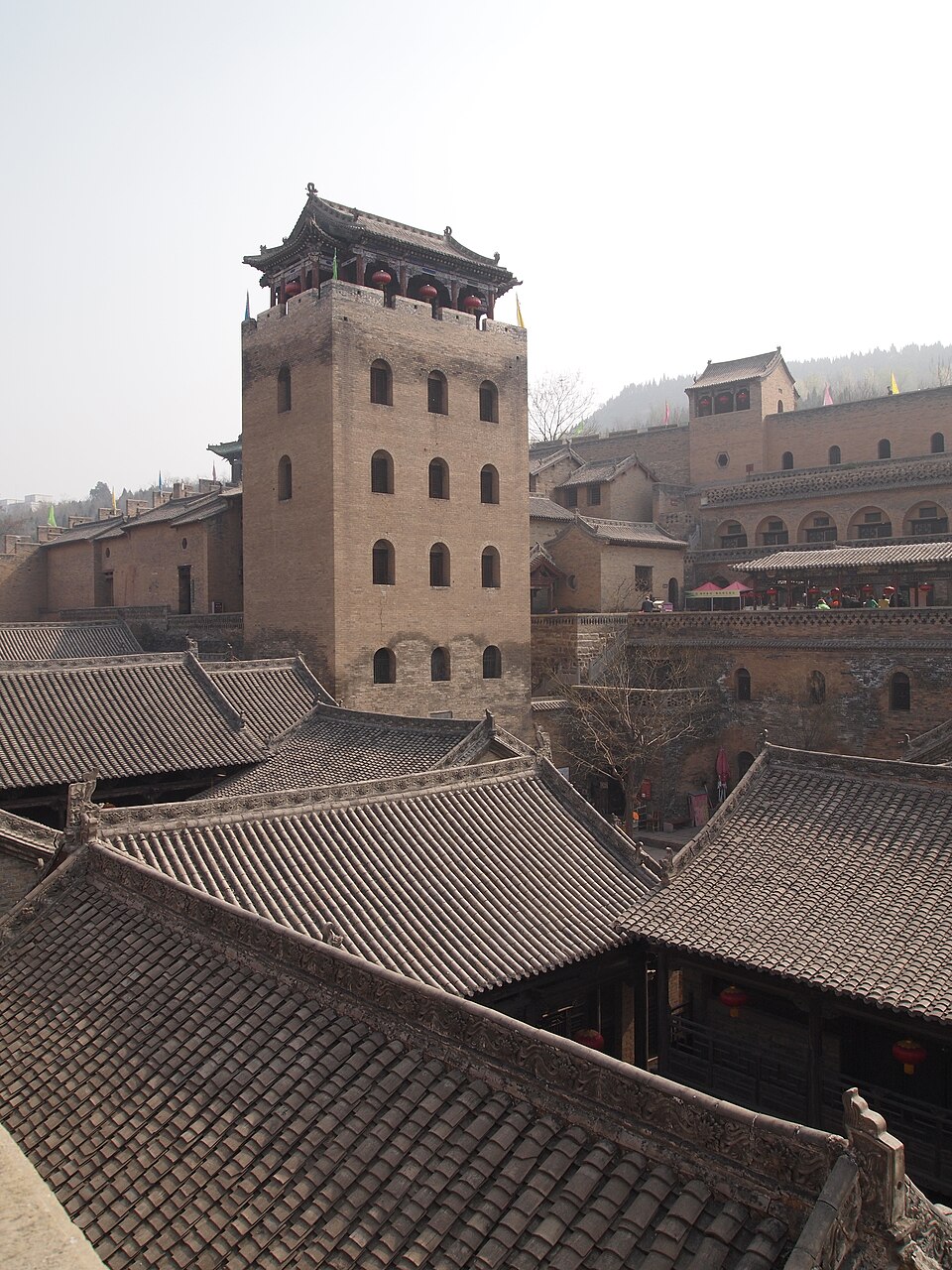
- 皇城相府 — 国家5A级景区,陈廷敬故居,由内城(斗筑居)和外城(中道庄)组成,集明清官宅、民宅、庙宇、书院于一体,被誉为"东方第一双城古堡"皇城相府 Huangcheng Chancellor's Mansion — AAAAA scenic spot, residence of Chen Tingjing. Comprising an inner castle (Douzhu Residence) and outer castle (Zhongdao Village), it integrates Ming-Qing official and civilian residences, temples, and academies — the "Premier Twin-Castle Fortress of the East"
- 蟒河景区 — 国家级自然保护区,有"北方小桂林"之称,猕猴自然保护区,是山西省生物多样性最丰富的地区蟒河景区 Manghe Scenic Area — A national nature reserve called "Little Guilin of the North," home to a macaque reserve and Shanxi's richest biodiversity
- 郭峪古城 — 明代古城堡,城墙、城门保存完好,与皇城相府相距不远郭峪古城 Guoyu Ancient Castle — A Ming Dynasty fortress with well-preserved walls and gates, near Huangcheng Mansion
- 砥洎城 — 建于明崇祯年间的水中古堡,三面环水,造型独特砥洎城 Dijicheng Water Castle — A unique castle built during the Ming Chongzhen era, surrounded by water on three sides
- 海会寺 — 唐代古寺,双塔并立,风格独特海会寺 Haihui Temple — A Tang Dynasty temple with its distinctive twin pagodas standing side by side
🍜 特色美食🍜 Local Cuisine
- 阳城烧肝 — 猪肝加大蒜和花椒等调味后蒸制,切片即食,是阳城最具代表性的传统美食阳城烧肝 Yangcheng Steamed Liver — Pork liver seasoned with garlic and Sichuan pepper, steamed and sliced — Yangcheng's most iconic traditional delicacy
- 阳城杂格 — 多种粗粮面混合制成的面食,种类丰富,健康营养阳城杂格 Yangcheng Mixed Grain Noodles — Noodles made from a blend of various coarse grains — diverse, healthy, and nutritious
- 润城枣糕 — 红枣与面粉蒸制的甜糕,软糯香甜,是阳城人逢年过节的必备润城枣糕 Runcheng Date Cake — Steamed cake of red dates and flour, soft and sweet — a must-have for Yangcheng festivals
- 阳城桑葚 — 阳城蚕桑文化悠久,桑葚酸甜可口,还可酿桑葚酒阳城桑葚 Yangcheng Mulberries — From Yangcheng's long sericulture tradition, sweet-tart mulberries can also be brewed into mulberry wine
🎭 文化特色🎭 Culture
阳城是晋城古堡最集中的地方,皇城相府、郭峪古城、砥洎城、润城东岳庙等古建群令人叹为观止。阳城生铁冶铸技艺(国家级非遗)传承两千多年,"阳城犁镜"曾远销南洋。阳城蚕桑文化独特,是北方少有的蚕桑产区,"阳城蚕茧"品质上乘。阳城道情戏是省级非遗,唱腔哀婉动人。Yangcheng has the densest concentration of ancient castles in Jincheng — Huangcheng Mansion, Guoyu Castle, Dijicheng, and Runcheng Dongyue Temple are all breathtaking. Yangcheng cast iron smelting (national intangible heritage) spans 2,000+ years — "Yangcheng plow mirrors" were once exported to Southeast Asia. Uniquely for northern China, Yangcheng has a sericulture tradition, producing premium cocoons. Yangcheng Daoqing Opera is a provincial intangible heritage with plaintive, moving singing.
🚗 交通出行🚗 Transportation
- 高速 — G5512晋新高速、阳翼高速经过Expressway — G5512 & Yangyi Expressway
- 距城区 — 约50公里,驱车约1小时To Jincheng — ~50km, about 1 hour by car
- 皇城相府 — 距阳城县城约15公里,旅游专线直达Huangcheng Mansion — ~15km from Yangcheng town, tourist bus available
陵川县陵川县 Lingchuan County
📜 历史沿革📜 History
陵川县位于晋城市东北部,地处太行山巅,素有"太行明珠"之称。隋开皇十六年(596年)始设陵川县。陵川是金代著名文学家郝经的故乡,也是围棋(弈)的发源地之一——棋子山因出产天然黑白棋子石而得名,传说商代箕子在此发明围棋。陵川境内太行山风光壮丽,是晋城自然旅游资源最丰富的县。Lingchuan County in northeastern Jincheng sits atop the Taihang Mountains, known as the "Pearl of Taihang." Established in 596 AD (Sui Dynasty), it was the hometown of Hao Jing, the famous Jin Dynasty scholar. It is also a birthplace of Go (Weiqi) — Qizi Mountain is named for its natural black and white Go stones, and legend says Jizi of the Shang Dynasty invented Go here. Lingchuan has the richest natural tourism resources in Jincheng, with magnificent Taihang mountain scenery.
🏛️ 人文景观🏛️ Cultural Sites
- 王莽岭 — 太行山最壮观的断裂带景观,海拔1700余米,因西汉末年王莽追刘秀至此而得名。云海日出、挂壁公路令人叹为观止王莽岭 Wangmang Ridge — The most spectacular rift landscape of the Taihang Mountains, over 1,700m in elevation. Named for the legend of Wang Mang chasing Liu Xiu here in the late Western Han. Sea of clouds, sunrise, and cliff-hanging roads are breathtaking
- 棋子山 — 围棋发源地之一,山上天然分布黑白两色棋子石,建有围棋文化广场和围棋碑林棋子山 Qizi (Chess Stone) Mountain — One of the birthplaces of Go (Weiqi), with naturally occurring black and white Go stones scattered on the mountain. Features a Go culture plaza and stele forest
- 锡崖沟挂壁公路 — 村民手工凿出的悬崖公路,历时30年建成,被誉为"人间奇迹"锡崖沟挂壁公路 Xiyagou Cliff-Hanging Road — A cliff road hand-carved by villagers over 30 years, hailed as a "human miracle"
- 崇安寺 — 始建于北魏,陵川县城内最重要的古建筑群崇安寺 Chong'an Temple — Founded in the Northern Wei, the most important ancient architectural complex in Lingchuan town
- 凤凰欢乐谷 — 太行山峡谷风光,集峡谷、瀑布、溶洞于一体凤凰欢乐谷 Phoenix Happy Valley — Taihang mountain canyon scenery combining gorges, waterfalls, and caves
🍜 特色美食🍜 Local Cuisine
- 陵川党参炖土鸡 — 陵川是"党参之乡",用本地党参炖散养土鸡,药膳一体,滋补极品陵川党参炖土鸡 Lingchuan Codonopsis Chicken Stew — Lingchuan is the "Land of Codonopsis." Local codonopsis root stewed with free-range chicken — medicinal cuisine and ultimate nourishment
- 陵川小米煎饼 — 小米面摊成薄饼,卷上菜蔬食用,清香可口陵川小米煎饼 Lingchuan Millet Pancakes — Thin pancakes made from millet flour, rolled with vegetables — fragrant and delicious
- 烧三鲜 — 海带、豆腐、粉条为主料,是晋东南婚宴的经典菜烧三鲜 Braised Three Delicacies — Kelp, tofu, and vermicelli as main ingredients — a classic dish at southeastern Shanxi weddings
- 陵川面羊 — 面粉捏成羊形蒸制,逢年过节的应景面塑,既是食物又是艺术陵川面羊 Lingchuan Dough Sheep — Dough shaped into sheep figures and steamed for festivals — both food and folk art
🎭 文化特色🎭 Culture
陵川是围棋文化的重要发源地,每年举办"棋子山围棋文化节"。陵川党参是国家地理标志产品,品质居全国之首,种植历史超过千年。王莽岭的"太行云顶"是摄影爱好者的天堂。锡崖沟挂壁公路体现了太行山区人民不屈不挠的精神。陵川还是古建筑富集区,宋金元时期的寺庙古建数量在全国名列前茅。Lingchuan is a key birthplace of Go culture, hosting the annual "Qizi Mountain Go Culture Festival." Lingchuan codonopsis is a nationally protected geographical indication product of top quality with over 1,000 years of cultivation history. The "Taihang Cloud Peak" at Wangmang Ridge is a photographer's paradise. The Xiyagou cliff-hanging road embodies the indomitable spirit of Taihang mountain people. Lingchuan is also rich in ancient architecture, with Song-Jin-Yuan era temples ranking among the most numerous nationwide.
🚗 交通出行🚗 Transportation
- 高速 — 高新高速(高平-新乡)经过陵川Expressway — Gaoping-Xinxiang Expressway passes through
- 距城区 — 约60公里,驱车约1.5小时To Jincheng — ~60km, about 1.5 hours by car
- 王莽岭 — 距县城约50公里,有旅游专线Wangmang Ridge — ~50km from county town, tourist shuttle available
沁水县沁水县 Qinshui County
📜 历史沿革📜 History
沁水县位于晋城市西部,因沁河纵贯全境而得名。沁水是晋城面积最大的县,境内群山环抱,生态优美。上古时期,舜帝曾在历山躬耕,留下了"舜耕历山"的千古佳话。隋开皇三年(583年)始称沁水县。沁水历史上名人辈出,明代诗人张慎言、现代作家赵树理都是沁水人。Qinshui County in western Jincheng is named for the Qin River that flows through its entirety. The largest county in Jincheng by area, it is surrounded by mountains with beautiful ecology. In ancient times, Emperor Shun farmed at Lishan Mountain, leaving the timeless tale of "Shun tilling Lishan." The county has been called Qinshui since 583 AD. It produced notable figures including Ming poet Zhang Shenyan and modern author Zhao Shuli.
🏛️ 人文景观🏛️ Cultural Sites
- 历山 — 国家级自然保护区,主峰舜王坪海拔2358米,是华北地区保存最好的原始森林之一。传说舜帝在此教民稼穑,开创农耕文明历山 Lishan Mountain — A national nature reserve with Shunwang Peak at 2,358m, one of the best-preserved primeval forests in North China. Legend says Emperor Shun taught people farming here, initiating agricultural civilization
- 柳氏民居 — 全国重点文物保护单位,唐代大诗人柳宗元后裔的居所,明清建筑精美,木雕砖雕石雕"三雕"艺术精湛柳氏民居 Liu Family Residence — A national key cultural relic, the ancestral home of descendants of Tang Dynasty poet Liu Zongyuan. Ming-Qing architecture with superb "three carvings" art (wood, brick, and stone)
- 湘峪古堡 — 明代古堡,规模宏大,被誉为"中国北方乡村第一明代古城堡"湘峪古堡 Xiangyu Ancient Castle — A massive Ming Dynasty castle, praised as "the foremost Ming castle village in northern China"
- 赵树理故居 — 现代著名作家赵树理的出生地,赵树理被誉为"山药蛋派"文学的代表人物赵树理故居 Zhao Shuli's Birthplace — Birthplace of the modern author Zhao Shuli, the representative figure of the "Potato School" literary movement
- 窦庄古堡 — 明末抗击农民起义的军事古堡,有"小北京"之称窦庄古堡 Douzhuang Ancient Castle — A late-Ming military castle that resisted peasant uprisings, known as "Little Beijing"
🍜 特色美食🍜 Local Cuisine
- 沁水黄小米 — 历山脚下种植的优质小米,颗粒饱满色泽金黄,熬粥米香浓郁沁水黄小米 Qinshui Golden Millet — Premium millet grown at the foot of Lishan Mountain, golden and plump, making richly fragrant porridge
- 沁水蜂蜜 — 历山原始森林出产的百花蜂蜜,品质纯正,是当地名产沁水蜂蜜 Qinshui Honey — Wildflower honey from Lishan's primeval forests, pure and authentic — a renowned local product
- 沁水刺槐花 — 每年五月槐花盛开,可做槐花饼、槐花饺子,清香甘甜沁水刺槐花 Qinshui Locust Blossoms — In May when locust trees bloom, blossoms are made into pancakes and dumplings — fragrant and sweet
- 土鸡蛋炒山韭菜 — 山韭菜配土鸡蛋,简单但鲜美无比,是沁水农家饭的代表Wild Chive & Free-Range Egg Stir-Fry — Mountain chives with farm eggs — simple but incredibly savory, the quintessential Qinshui farmhouse dish
🎭 文化特色🎭 Culture
沁水是赵树理的故乡,赵树理以农村生活为题材的小说《小二黑结婚》《李有才板话》影响了几代人,形成了独特的"山药蛋派"文学流派。沁水鼓儿词(国家级非遗)是当地特有的说唱艺术。沁水古堡群(湘峪、窦庄、柳氏民居等)见证了明清时期晋商文化和防御文化的交融。历山的"舜耕文化"是中华农耕文明的重要象征。Qinshui is the homeland of Zhao Shuli, whose novels about rural life — "Xiao Erhei's Marriage" and "The Rhymes of Li Youcai" — influenced generations and created the "Potato School" literary movement. Qinshui Drum Ballad (national intangible heritage) is a unique local narrative art. The Qinshui castle cluster (Xiangyu, Douzhuang, Liu Residence) witnesses the fusion of Shanxi merchant culture and defensive architecture in the Ming-Qing era. Lishan's "Emperor Shun farming" culture is an important symbol of Chinese agricultural civilization.
🚗 交通出行🚗 Transportation
- 高速 — 侯月铁路经过,设有沁水站Railway — Houyue Railway with Qinshui Station
- 公路 — S332、S227省道贯穿全境Highways — Provincial Roads S332 & S227 traverse the county
- 距城区 — 约80公里,驱车约1.5小时To Jincheng — ~80km, about 1.5 hours by car
- 历山 — 距县城约50公里,有旅游公路Lishan Mountain — ~50km from county town via tourist road